
Tungsten Carbide Drill Bits for Metal: Guide to High Performance Metal Drilling
When it comes to metalworking, the drill process may appear to be simple. However, the drill process is often the key to the entire machining process. This is especially the case when the material to be machined is made of stainless steel or alloy steel and has a higher hardness. Under such conditions, regular drill bits tend to have a short lifespan and drill improper holes.
As a consequence, tungsten carbide drills for metals have emerged as a popular option within industrial manufacturing for their usage in CNC machined metal components.
So, what are actually tungsten carbide drill bits? Why are they so suitable for drilling metal substances? Finally, how can one select the best type for their needs?
In today’s post, we will provide a comprehensive explanation for you. Now, let’s take a look.
Part 1. What Are Tungsten Carbide Drill Bits?
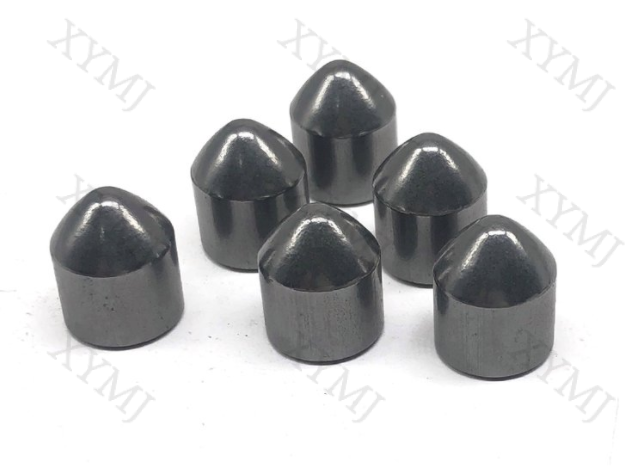
Tungsten carbide drill bits, commonly referred to as carbide drill bits, are cutting tools made from tungsten carbide powder combined with metals such as cobalt, then formed through a high-temperature sintering process.
Unlike high-speed steel (HSS) drill bits, carbide material offers exceptionally high hardness and wear resistance, allowing the drill bit to maintain a sharp cutting edge even under high rotational speeds and heavy cutting loads.
Based on their structure, common types include:
- Solid Carbide Drill Bits
- Carbide-Tipped Drill Bits
In high-precision metal machining, solid carbide drill bits are especially widely used due to their superior accuracy and stability.
Part 2. Why Are Tungsten Carbide Drill Bits Preferred for Metalworking?
High Hardness and Excellent Wear Resistance
Tungsten carbide has a very high hardness compared to HSS. Even while drilling other difficult metals like stainless steel or alloy steel, the carbide drill provides stability during the machining process and also helps reduce the wear and tear of the tool.
Exceptional High-Temperature Cap
Drilling metal creates a lot of heat. High-speed metal drill bits with tungsten carbide are resistant to high temperatures and do not melt when heated to high temperatures. They retain their metal structure.
High Accuracy of Machining
Carbide drill bits are very rigid with little deformation; therefore, they contribute to uninterrupted hole diameters and smooth hole walls, which is a significant factor for accurate components and automated production processes by CNC machinery.
Increasing Tool Life
Although carbide drill bits are more costly than regular drill bits, their prolonged useful lifespan in high-production applications could lead to substantial savings, making them highly economical in various applications.
Part 3. Which Metal Materials Are Suitable for Tungsten Carbide Drill Bits?
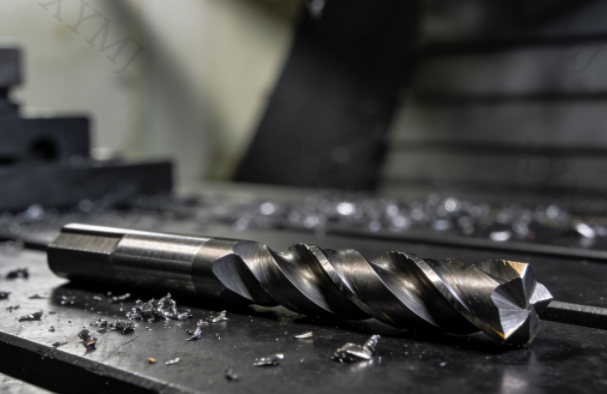
When used with the proper cutting parameters and cooling conditions, tungsten carbide drill bits can be applied to a wide range of metals, including but not limited to:
- Carbon Steel and Low-Alloy Steel – Common industrial steels, easy to machine with carbide drills
- Stainless Steel (e.g., 304, 316) – Harder and more prone to work hardening, carbide bits maintain sharp cutting edges
- Alloy Steel and Tool Steel – for high tensile strength applications and mold making materials.
- Cast Iron – Carbide bits resist abrasive wear from graphite content
- Aluminum and Aluminum Alloys – Smooth cutting with minimal burrs
- Copper and Brass – With accurate holes and less adhesion
- Titanium Alloys – High strength, coupled with low thermal conductivity, requires that much attention be given to the control of spindle speed and feed rate.
Geometry and coating selection will be about proper selection in order to optimize the cutting performance for high-hardness or tough metals, prolong tool life, and maintain hole quality.
Part 4. Differences Between Tungsten Carbide, HSS, and Cobalt Drill Bits
Drills made of HSS, cobalt, and tungsten carbide are often evaluated in metalworking according to their performance, price, and operational use. Distinguishing them will aid you in selecting the most suitable machine tool for your requirements:
| Drill Bit Type | Hardness & Wear Resistance | Heat Resistance | Suitable Materials | Cost | Best Use Case |
| HSS Drill Bits | Low | Moderate | Softer metals | Low | Low-speed drilling, basic or entry-level machining |
| Cobalt Drill Bits | Medium | Higher | Stainless steel, moderately hard metals | Medium | Moderate-difficulty metal machining, higher temperature environments |
| Tungsten Carbide Drill Bits | High | Very High | High-strength, high-hardness metals | High | CNC machining, mass production, high-precision parts |
Key Takeaways:
HSS drill bits have the advantage of being less expensive and easier to handle; however, they are not very suitable for hard metals as they lose their sharpness quickly.
Cobalt drill bits on the other hand, besides giving the utmost heat resistance, have longevity in durability hence they are fit for working with more difficult materials like stainless steel.
Tungsten carbide drill bits are the highest in hardness, wear resistance, and tool life which makes them perfect for metalworking with high speed, high precision, and large scale.
The long-term result in particular cases such as CNC machining, batch production, and high-end manufacturing is that tungsten carbide drill bits for metal provide the best overall value, which is a combination of efficiency, precision, and durability.
Part 5. How to Choose the Right Tungsten Carbide Drill Bit?
The selection of the right tungsten carbide drill bit depends on material, machining conditions, and performance that is intended. Guiding your choice, some of the key factors will be found below.
1. Solid Carbide or Carbide-Tipped?
High-precision and high-speed machining are the fields that solid carbide drill bits are suggested for because of their superior rigidity, stability, and wear resistance.
The heavy-impact or cost-sensitive applications can use carbide-tipped drill bits, which are more reasonable between performance and cost.
2. Coating of Drill Bit
Coatings of common usage are TiN, TiAlN, and AlTiN, with improved wear resistance and high temperature.
Coated carbide bits prove to be particularly effective at drilling in stainless steel, alloy steel, and other metals that are very sensitive to heat.
3. Flute Geometry and Point Angle Design
Chip evacuation and cutting force requirements will vary depending on the type of metal being treated.
Proper spiral flute design and point angle selection ensure better hole quality, cutting stability, and overall efficiency.
4. CNC Machine or Hand Tools?
Tungsten carbide drill bits shine in stable, rigid conditions, such as in CNC machining centers.
For handheld or portable drilling, extra precaution should be taken against chipping or breakage.
5. Cutting Parameters and Cooling Method
Even the highest-quality drill bit needs appropriate spindle speed, feed rate, and cooling/lubrication to achieve optimal performance.
Proper coolant usage reduces heat, prevents premature wear, and improves hole finish.
Part 6. The Value of Customized Tungsten Carbide Drill Bits for Metal
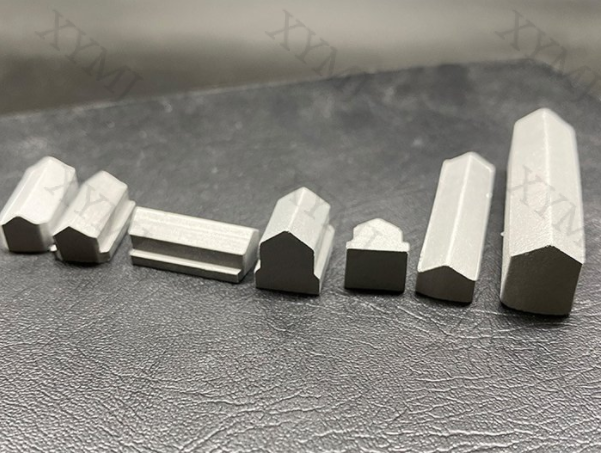
As metalworking requirements become increasingly diverse, more companies are turning to customized tungsten carbide drill bits to meet special hole sizes, unique materials, or specific machining conditions.
Customization goes beyond simple dimensions and can include:
Optimized drill geometry – tailored point angles and flute designs for improved chip evacuation and cutting stability
Material-specific design – matching the drill to the hardness and thermal properties of the target metal
Customized coating solutions – selecting TiN, TiAlN, AlTiN, or other coatings to enhance wear and heat resistance
Consistency and tool life control – ensuring uniform performance across large production batches
The custom carbide drill bits for long-term, high-volume production can very much enhance the overall machining efficiency, decrease the interruptions, and raise the quality of the product which all leads to making them a strategic investment for industrial manufacturers.
Final Thoughts
In today’s metalworking industry, tungsten carbide drill bits for metal are not merely a “premium alternative,” but a “fully integrated solution.” When properly equipped with a suitable selection and cutting parameters, and with sufficient supply chain support, improved hole quality and increased productive throughput are possible with carbide drill bits.
In cases where high hardness metals or accuracy in machining is required, one may definitely give consideration to the use of tungsten carbide drill bits. For anyone in search of reliable options for their tungsten carbide drill bits, Carbure Tungsten tungsten carbide drill bits manufacturer is one that you can trust.
Related Products


