
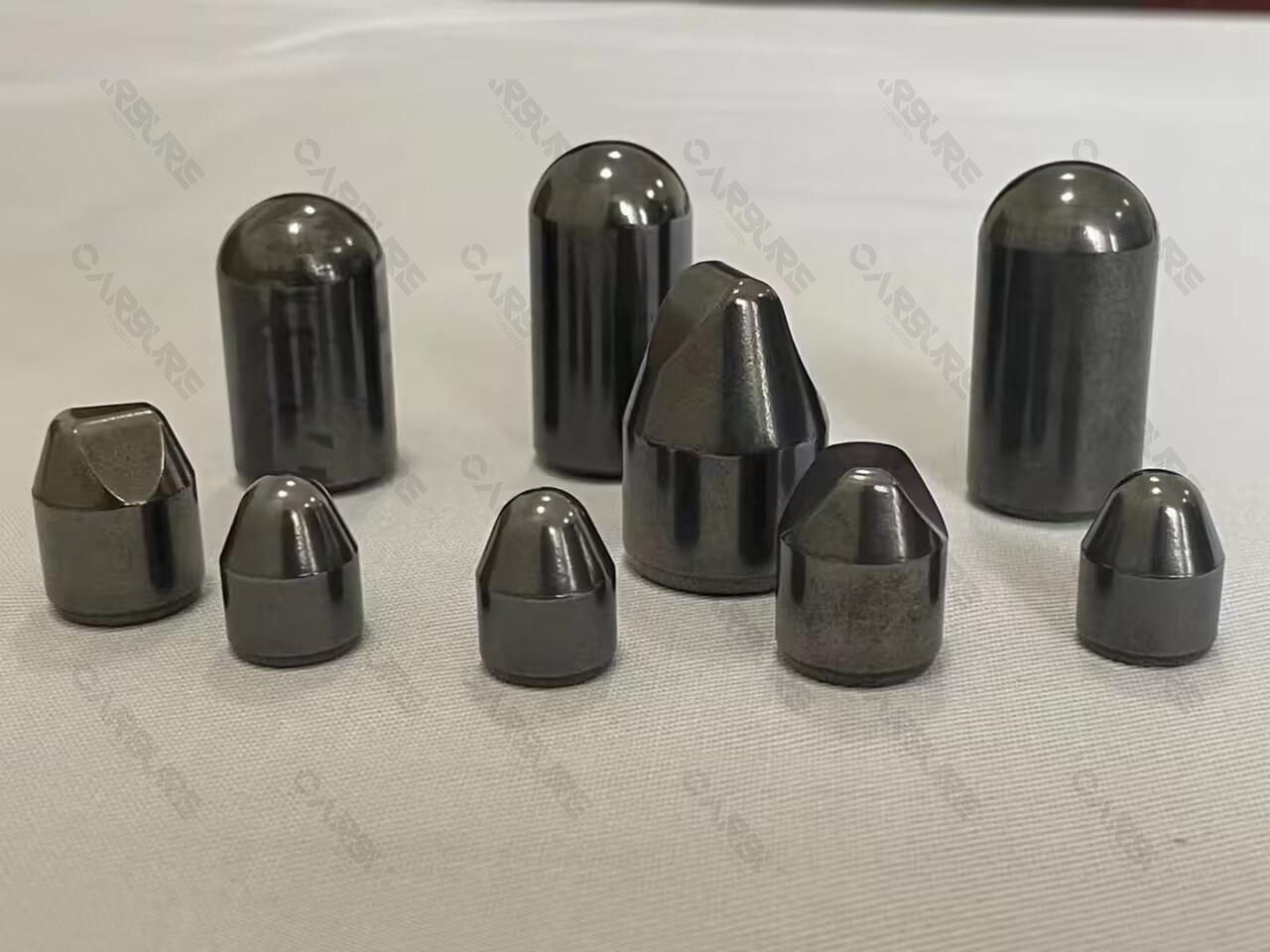
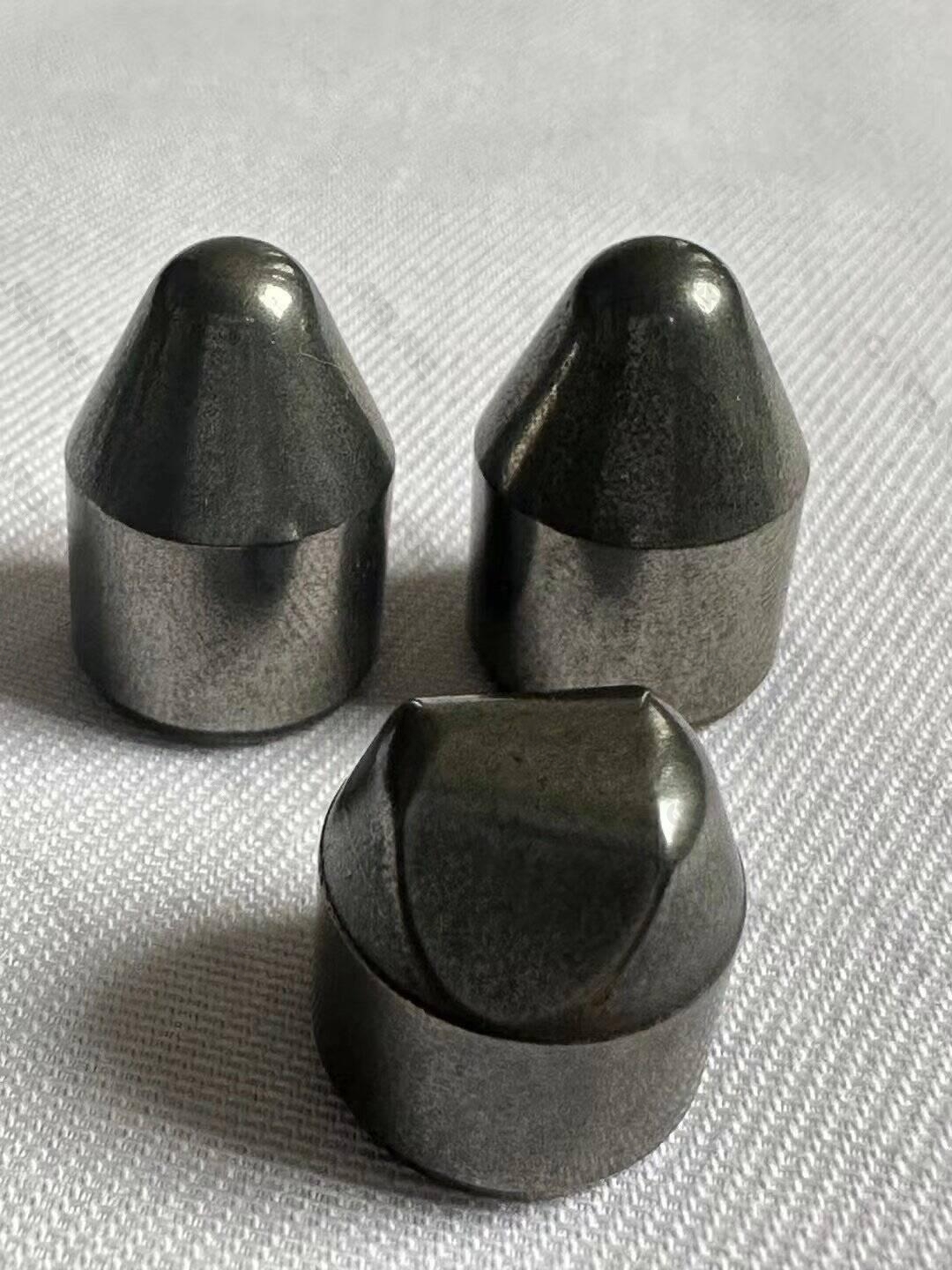
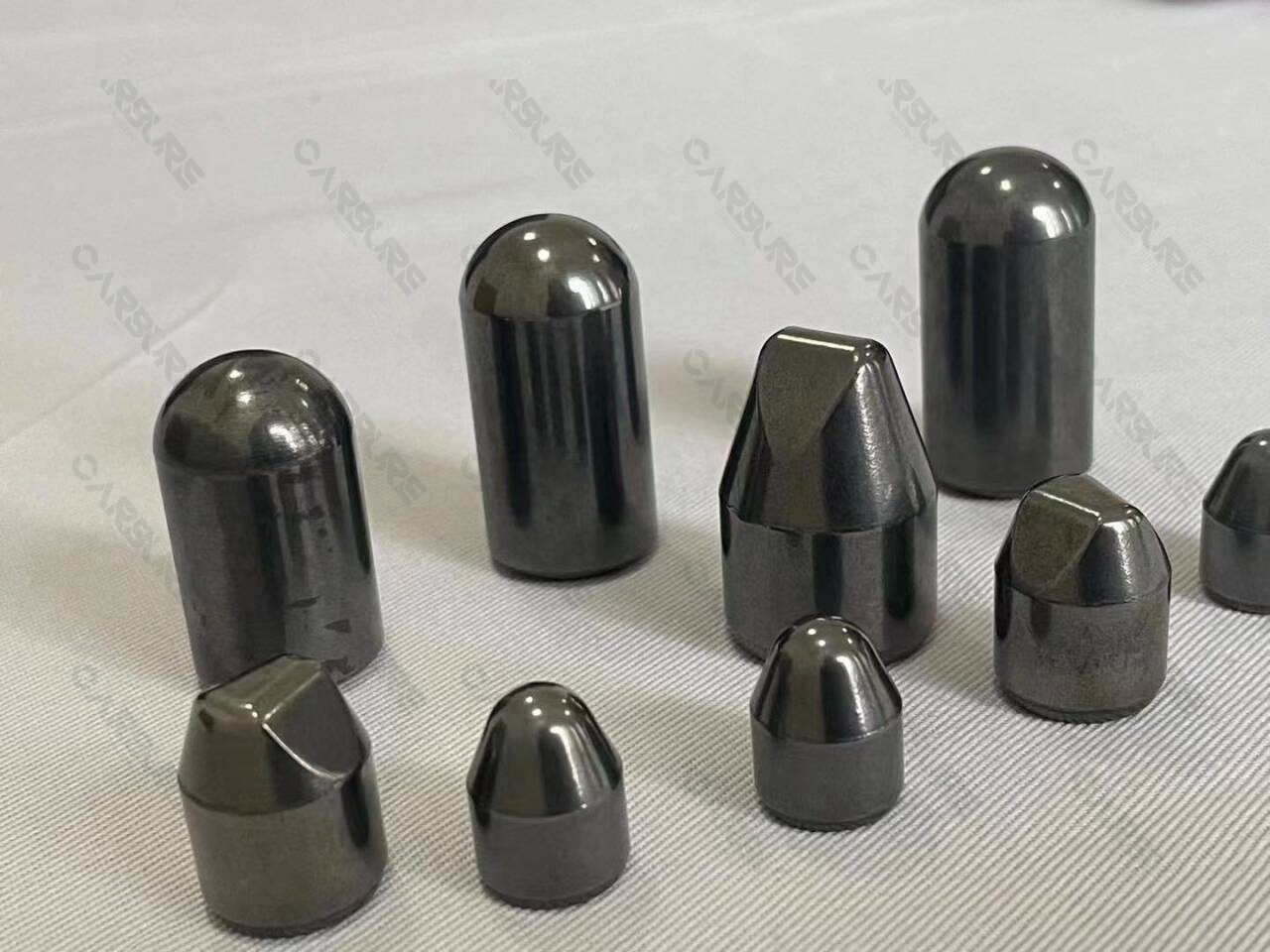


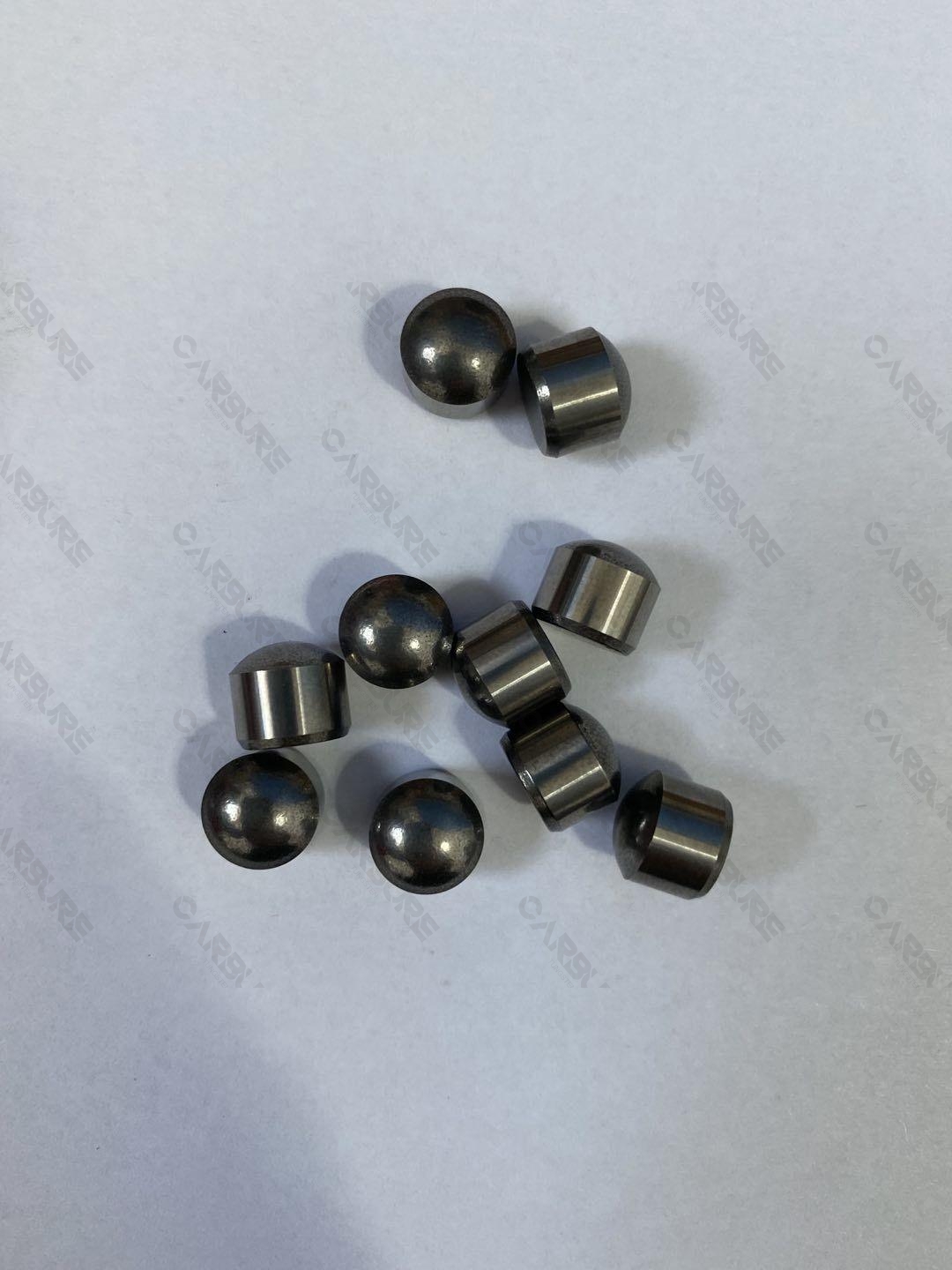
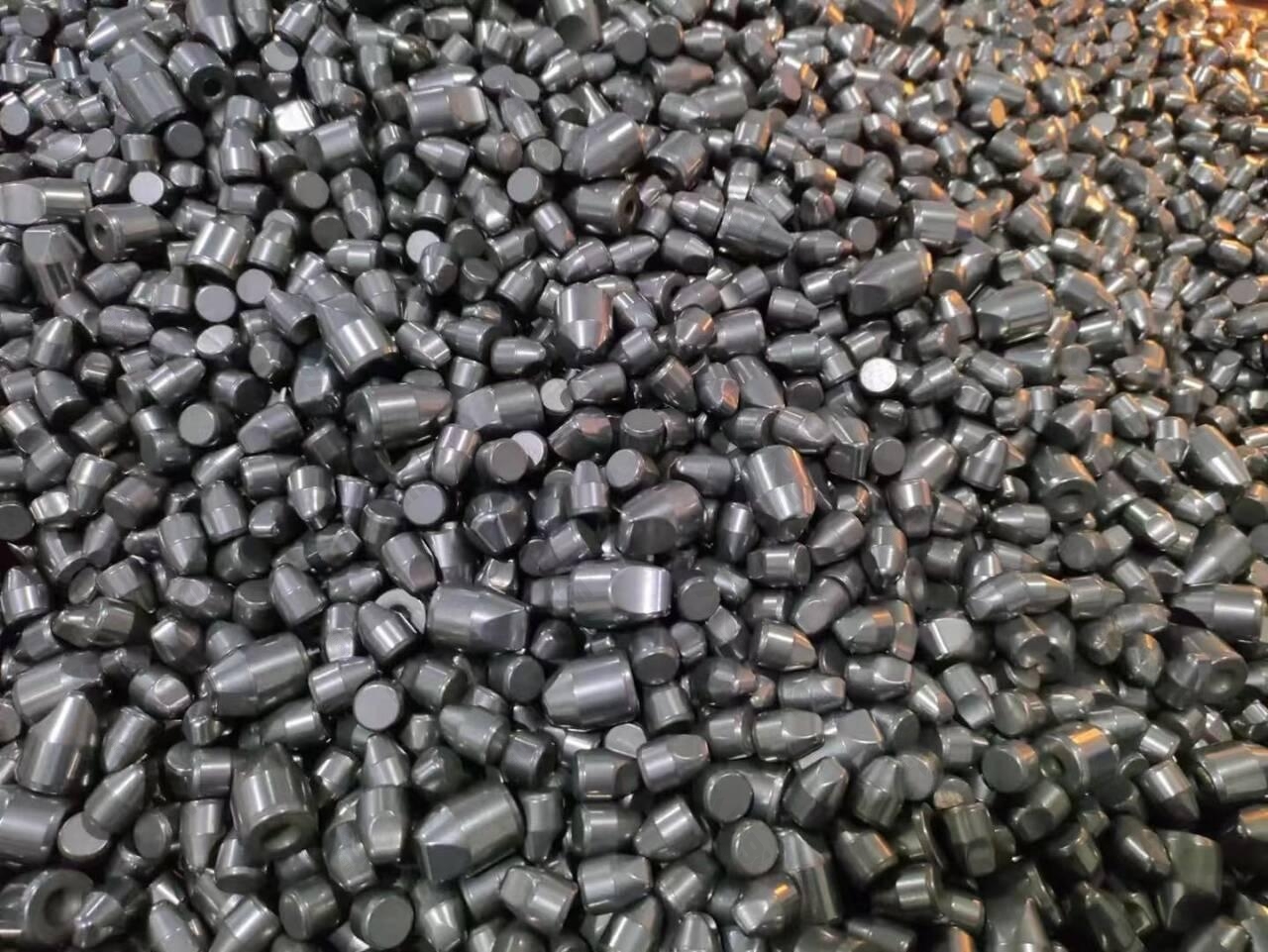
Tungsten carbide rock drill bits
Product Description
Tungsten carbide rock drill bits serve as the core rock-breaking components and are typically shaped as cylinders or cones with spherical tops. Advanced powder metallurgy processes bond high-hardness tungsten carbide particles with binders such as metallic cobalt, forming a composite material that combines exceptional hardness with excellent toughness. These components are often referred to as the “industrial teeth” of modern rock drilling engineering.
Selection requires a comprehensive consideration of rock properties (e.g., hardness and abrasiveness), drill rig type (e.g., impact energy and frequency), and operating conditions. Extremely hard and highly abrasive rocks typically warrant grades with higher hardness, while complex formations with significant impact forces require grades with higher cobalt content and superior toughness.
Features of Tungsten carbide rock drill bits
With a hardness second only to that of a diamond and an exceptionally high microhardness, tungsten carbide can effectively penetrate and fracture various hard rocks, such as granite and magnetite, while experiencing minimal self-wear. This forms the foundation for an extended drilling life.
Optimising binder content and grain structure enables it to resist fracturing and flaking under the high-frequency, high-stress impacts of rock drills, ensuring reliable operation in complex formations.
It maintains high hardness and strength at temperatures generated by high-speed friction, with significantly lower performance degradation than steel. Ultimate hardness and wear resistance
specification
The chemical, physical, and mechanical properties and metallographic structure of the blank of carbide drill bits as per Q/74469685-6 or relative standards. The tolerance of the diameter and height should be in conformity with Table 1.
| Table1 mm | ||||||||||||
| Class | D | H | ||||||||||
| Dimension | Tolerance | Dimension | Tolerance | |||||||||
| Common Class | ≤13.0 | ﹢0.35 | ≤10 | ±0.25 | ||||||||
| ﹢0.10 | >10.0~18.0 | ±0.30 | ||||||||||
| >13.0~22.0 | ﹢0.45 | >18.0~25.0 | ±0.35 | |||||||||
| ﹢0.10 | ||||||||||||
| >22.0 | ﹢0.55 | >25.0 | ±0.45 | |||||||||
| ﹢0.10 | ||||||||||||
| Supior Class | ≤18.0 | ﹢0.25 | ≤11.0 | ±0.15 | ||||||||
| ﹢0.05 | >11.0~18.0 | ±0.20 | ||||||||||
| >18.0~25.0 | ﹢0.30 | >18.0~25.0 | ±0.25 | |||||||||
| ﹢0.05 | >25.0 | ±0.30 | ||||||||||
The tolerance of the radius of the drill bits blank is 0~+0.5mm, and e is +0.2~+0.4mm.
| Table 2 mm | ||||||||||||
| Angle | Tolerance | |||||||||||
| ≤5° | ±1° | |||||||||||
| >5° ~15° | ±2° | |||||||||||
| >15° | ±3° | |||||||||||
For blank’s working face, the depth of flaking edge or corner should not be larger than 0.3mm; and for unworking surface,not larger than 0.5mm. The surface of the blank should be sandblasted without defects such as scaling, pores, lamination, and cracks, and passivation treatment should be made if the diameter is larger than 12mm.
The cross-section of the blank should be homogeneous without defects such as lamination, cracks, uncompacted, holes, dirt, blackness, or decarbonization. The form and dimensions of the pore will ot be checked; what will only be checked is if it is present or not. If changed, no notice.
Typical Applications
Mining Operations: We offer drill bits for rock and down-the-hole drills. These are designed for drilling hard rock, such as granite and basalt. They are highly resistant to impact and abrasive wear and are ideal for open-pit mining and underground tunnel excavation.
Infrastructure Construction: Drill bits for rotary drilling rigs and anchor drilling machines. These are used to break through hard soil and rock layers during urban pile foundation construction and tunnel support, enhancing drilling efficiency and tool life.
Coal Mining: Shear teeth and cutting tools for roadheaders operating in coal seams and interbedded shale layers. They combine wear resistance with impact toughness and are suitable for humid and corrosive underground environments.
Tunnel and Shield Engineering: These are used in shield machine cutting tools for excavating hard rock formations. They can withstand high pressure and abrasive wear, ensuring continuous construction.
Petroleum Drilling: It is used in the teeth of roller cone drill bits for drilling hard rock formations in deep and ultra-deep wells. It withstands high temperatures, high pressure and severe abrasion.
Why Choose Our Tungsten Carbide Rock Drill Bits?
Material Customisation
For extremely hard, highly abrasive granite, we recommend ultra-fine-grained grades with peak hardness for the ultimate in wear resistance. For fractured formations with impact risks, we select grades with a slightly higher cobalt content and optimised toughness to prevent brittle fracture.
Full Process Control
We implement comprehensive monitoring of everything from the size and purity of the raw powder particles to the sintering temperature curves and atmosphere control.
This ensures uniform and dense microstructures.
100% Non-destructive Testing
Using advanced NDT techniques, we screen every finished ball tooth for internal defects.
Products containing microcracks, voids, or other hidden hazards are strictly excluded from shipment, safeguarding your operational safety from source.
FAQs


Get Your Customized Solution
Our team and engineers are ready to provide the most cost-efficient solution for you.