
Customizing Tungsten Carbide? 6 Things You Must Tell Your Manufacturer
During the process of customizing tungsten carbide parts, many purchasers and engineers often encounter such problems: Even though the drawings sent to the factory were very detailed, the final products obtained performed unsatisfactorily in actual working conditions; or, due to poor communication of initial parameters, the final quotations and delivery dates far exceeded expectations.
Tungsten carbide is highly regarded as “industrial teeth” due to its extremely high hardness and excellent wear resistance. However, the production process of this material involves powder metallurgy, pressing, and high-temperature sintering, and its physical properties determine that its processing logic is completely different from that of ordinary steel.
To ensure that your customized parts can precisely meet performance requirements while effectively controlling costs, the following six core parameters in the following dimensions are indispensable when initiating the project with the factory.
1. Material Grade & Properties
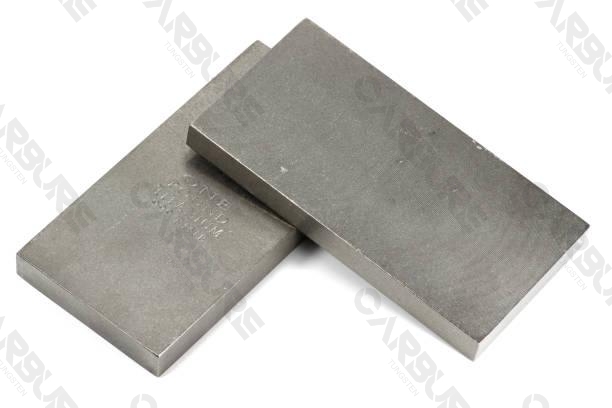
Tungsten carbide is not a single metal but a composite material composed of a hard phase (wrought tungsten carbide powder) and a bonding phase (usually metal cobalt or nickel). The selection of the grade directly determines the performance genes of the part and also determines whether it can withstand high-strength working environments.
When communicating, please make sure to provide or confirm the following key indicators:
- Hardness: Usually represented by HRA or HV. The higher the hardness, the better the wear resistance, but at the same time, the brittleness will increase and the impact resistance will decrease.
- Triaxial compressive strength (TRS): This is a key indicator for measuring the material’s ability to resist breaking when subjected to force. For parts that need to withstand impact loads or shear forces, the importance of TRS even exceeds hardness.
- Cobalt content: Cobalt acts as a glue to bond tungsten carbide particles together. A high cobalt content can enhance toughness and prevent chipping; a low cobalt content can improve wear resistance.
- Average grain size: Fine grains can simultaneously enhance hardness and strength, while coarse grains have an advantage in resisting thermal shock and impact toughness.
2. Geometric Dimensions & Tolerances
Due to the approximately 20% volume shrinkage that occurs during the sintering process of tungsten carbides, the control of dimensions is a dynamic and complex process.
- Sintered state (As-sintered) and finishing: If the non-mating parts of the component do not have strict size requirements, the natural tolerance after sintering (usually around ±0.5mm) can be accepted. This can save you a significant amount of grinding costs.
- Precision tolerances for key dimensions: For parts that require precise mating, please clearly mark them. The fine grinding of tungsten carbides can reach ±0.002mm or even higher, but each increase in precision by one order of magnitude will result in a geometrically increasing increase in processing costs and detection difficulty.
- Constraints on form and position tolerances: Besides the basic length, width, and height, coaxiality, roundness, and flatness are crucial for high-speed rotating parts. Clearly defining these requirements can prevent unnecessary vibrations or early wear after assembly of the parts.
3. Surface Finish & Roughness
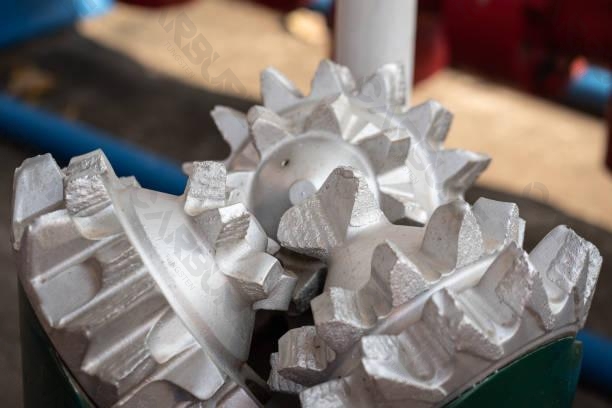
The surface quality directly affects the friction coefficient, sealing performance and fatigue resistance life of the parts. The surface treatment of tungsten carbide parts is usually achieved through diamond grinding, polishing or lapping.
- Definition of Ra value: The general precision ground surface usually falls within the range of Ra 0.4 to Ra 0.8. If you need to apply it to precision valve cores or mirror surface molds, a mirror effect of Ra 0.1 or below might be required.
- Alignment of processing techniques: Is wire cutting (EDM) necessary? Since EDM may leave a very thin layer of altered material on the surface of the material, if you have extremely high requirements for fatigue life, be sure to inform the factory to add an additional polishing process after the cutting to eliminate potential risks.
4. Application Environment
The factory is not only the producer of products, but also an advisor on the application of materials. If you can provide the specific working environment of the parts, the factory can optimize the formula accordingly.
- Corrosion resistance requirement: If the part will operate in an environment of acid, alkali or saline water, traditional cobalt-based tungsten carbides may suffer from grain boundary corrosion. In such cases, it is advisable to consider using nickel-based (Nickel binder) grades.
- Thermal shock challenge: Will the part be subjected to sudden and drastic temperature changes? This requires the material to have better thermal conductivity and matching thermal expansion coefficient to prevent the formation of tiny thermal cracks.
- High-speed wear environment: Providing the cutting speed or friction frequency during operation helps manufacturers determine whether further coating treatment of the surface is necessary.
5. Connection Method and Assembly Preparations
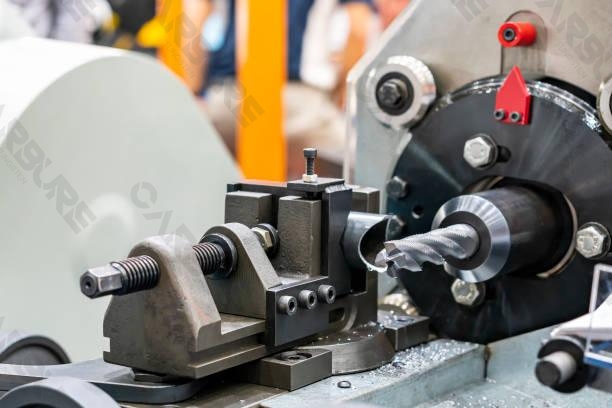
Tungsten carbide cannot be drilled, tapped or welded on-site using conventional methods like ordinary carbon steel. Therefore, during the initial design phase, the assembly logic must be carefully considered:
- Brazing Preparation: If the parts need to be welded onto a steel base, please inform the factory so that they can perform sandblasting treatment on the welding surface or reserve specific brazing slots.
- Structural Optimization: tungsten carbides are extremely sensitive to sharp internal right angles as they can cause severe stress concentration. During design, it is recommended to use R-shaped (rounded) transitions as much as possible, which can significantly enhance the part’s resistance to fracture.
- Reserved Holes and Threads: All complex internal holes or countersunk holes must be completed during the molding stage. Post-processing is not only time-consuming but also prone to damaging the workpiece.
6. Drawings & Documentation
A standard technical document serves as an efficient communication bridge between the two parties, minimizing misunderstandings to the greatest extent.
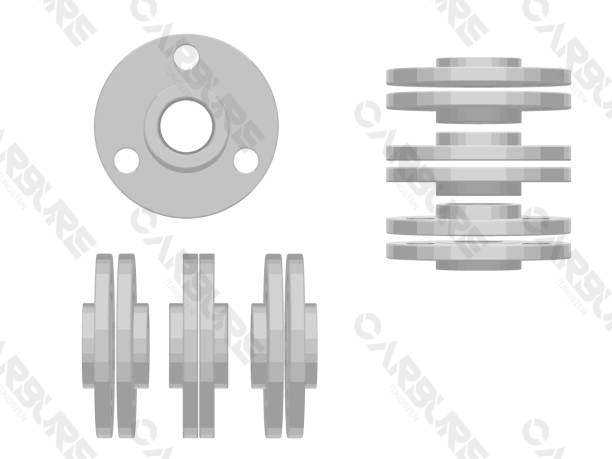
- Multidimensional drawings: We will prioritize providing 3D model files (such as STEP or IGS) for verifying the structure, and accompanying 2D drawings (in PDF format) for marking key tolerances and technical requirements.
- Identification and inspection reports: Do you need laser engraving on the surface of the parts (such as product numbers and production batches)? Additionally, do you require the factory to provide material certificates (COA), hardness test reports or size inspection lists with the goods? Clarifying these details will ensure a smooth inventory acceptance process for you.
Customizing tungsten carbide parts is a process involving continuous communication between both parties. Excessive pursuit of high precision or extreme grades may lead to unnecessary cost burdens, while insufficient parameter provision may result in the product failing to meet the application requirements. By providing the core parameters of the above six dimensions, you will be able to better connect with the factory and obtain tungsten carbide solutions with long service life and high cost-effectiveness.
If you are currently facing a specific wear problem and are unsure which parameter combination to choose, please feel free to consult our technical experts. They will provide you with targeted material analysis and selection suggestions.
Related Products


