
Tungsten Carbide Products for Oil and Gas: Key Benefits and Uses
Oil and gas equipment often operates under extreme conditions, including high pressure, extreme temperature fluctuations, severe wear and corrosion. Reliability is vitally important to operational safety as well as cost efficiency in fluid transportation systems that must maintain pressure control for production purposes or fluid transportation/pressure regulation purposes.
Tungsten carbide products for oil and gas have become an indispensable part of oil and gas equipment.
Here we will assess the practical value of tungsten carbide in the oil and gas industry by considering application scenarios, material advantages, typical products, manufacturing considerations and key manufacturing considerations.
Why Does Oil and Gas Rely So Heavily on Tungsten Carbide Products?
Oil and gas industry applications place rigorous demands on material components due to harsh operating environments:
Continuous high-pressure erosion: Fluids containing sand and solid particles often impact component surfaces at high pressures, leading to severe abrasive wear over time.
Highly corrosive environments: Acidic gases, corrosive fluids and chemical injection agents attack metals over long periods of operation with aggressive corrosion attacks.
High temperatures and heavy loads: Both downhole and surface equipment must maintain structural stability and dimension accuracy under intense mechanical stress and extreme temperatures.
High downtime costs: Repetitive component replacement can incur significant maintenance expenses, production losses and operational risks.
Under such conditions, conventional steels or standard alloys tend to have limited service lives in such environments. Tungsten carbide products for oil and gas offer exceptional hardness, outstanding wear resistance, and great stability in harsh environments, properties which extend component service lives significantly while decreasing replacement frequency while helping operators lower total operating and maintenance costs while increasing reliability overall.
Advantages of Tungsten Carbide in Oil and Gas Applications
Tungsten carbide is not simply an alternative material compared to steel in terms of hardness; in the oil and gas industry, tungsten carbide should be considered an engineering solution tailored specifically for extreme operating conditions and providing tangible advantages in reliability, service life span and cost control.
1. Outstanding Wear Resistance
Tungsten carbide stands out as one of the premier wear resistant materials due to its superior hardness, far exceeding that of conventional alloy steels and providing effective resistance against continuous abrasion from fluids such as drilling mud, sand-laden fluids and high velocity flow.
Tungsten carbide makes an excellent material choice for high wear components like valve seats, choke parts and nozzles which experience extreme levels of material loss; in turn helping avoid early failure of sealing components or performance degradation.
2. High Strength and Structural Stability
Tungsten carbide offers exceptional compressive strength and rigidity, which enables components to maintain their dimensions even under severe downhole loads or fluctuating pressure conditions without deforming or cracking, contributing to safer and more reliable equipment operation. This durability also decreases deformation risk for reduced risks associated with deformed and cracked components, further contributing to more reliable equipment operation.
3. Excellent Corrosion Resistance
Corrosion in oil and gas applications can be especially problematic. Acidic gases, sour fluids and chemical injection media all pose threats to component surfaces that must withstand constant corrosion attacks. By selecting suitable binder systems (cobalt- or nickel-based binders) and applying surface treatments that help mitigate corrosion risks in harsh environments, tungsten carbide products have proven superior in protecting these critical surfaces compared with traditional metal materials.
4. Increased Service Life and Lower Total Costs
Although tungsten carbide components often have higher initial costs than standard steel parts, they often prove more economical over their full service lives. Longer operating life means fewer shutdowns, reduced replacement frequency and more stable production, essential benefits in an industry where downtime is extremely costly. Tungsten carbide offers not just material performance improvements, but also long-term reliability improvements and lower total cost of ownership.
These combined advantages explain why tungsten carbide has become such an indispensable material in modern oil and gas equipment.
Common Types of Tungsten Carbide Products Found in Oil and Gas Industries
Oil and gas equipment requires the use of tungsten carbide components that have been transformed from raw material. Tungsten carbide is typically transformed into high-precision, high-performance components for wear resistance, sealing, load bearing and load distribution functions that directly contribute to system stability and maintenance cycles.
These functional components help provide wear resistance, seal adhesion resistance and load bearing functions whose performance has a major influence on system maintenance cycles and overall stability.
Tungsten Carbide Valve Components
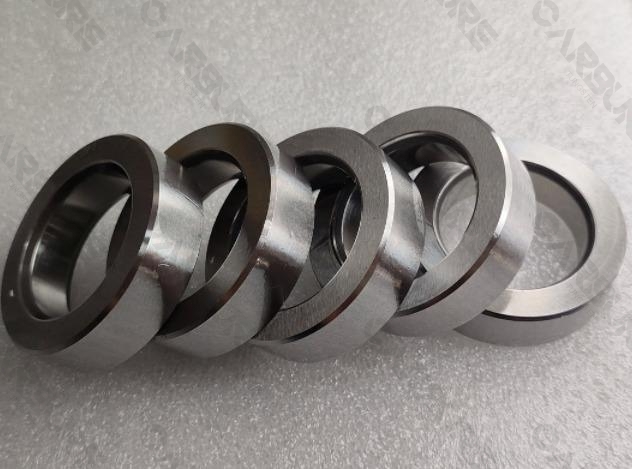
Valves used for wellhead control, flow regulation, and pressure management systems typically operate under high-pressure differentials and severe abrasive conditions, often in sandy media. Tungsten carbide valve seats, balls, throttling elements, and critical sealing surfaces often use this material in order to provide secure sealing performances under frequent opening and closing rates and high flow rates, effectively minimizing leakage risks as well as downtime and maintenance costs caused by valve failure.
Wear-Resistant Tungsten Carbide Parts for Drilling Tools
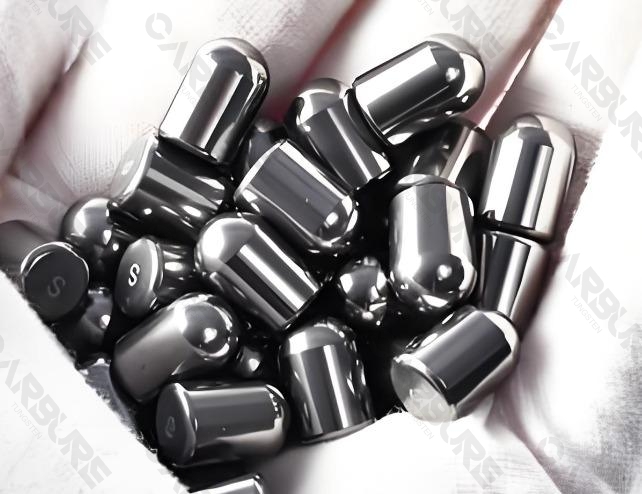
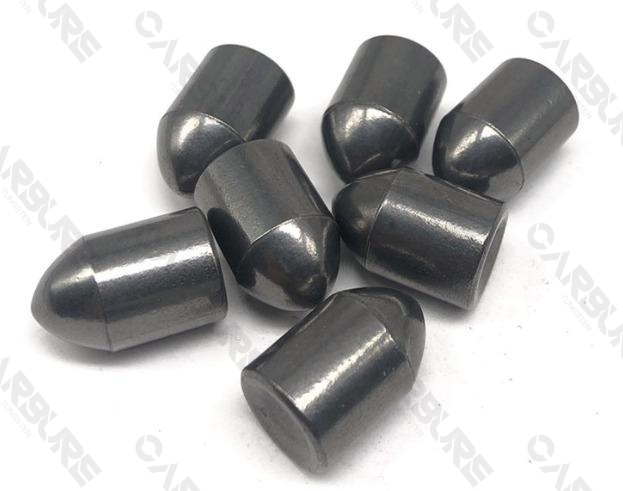
Drilling operations expose tools to harsh drilling fluids, high-velocity flows and rock particles that can quickly wear down conventional metals. Tungsten carbide has proven itself ideal as an anti-wear material in drill nozzles, wear-resistant inserts, cutting elements and anti-wear structures; its superior hardness and wear resistance helping minimize material loss in challenging formations while increasing drilling efficiency and decreasing unplanned downtime.
Tungsten Carbide Components for Pumps
Mud pumps, chemical injection pumps and various transfer pumps operate under high-wear, high-frequency conditions that place many components under stress. Tungsten carbide is often utilized as bushings, sleeves, thrust bearings or mechanical seal rings due to its wear resistance and structural stability – even under continuous operation and fluctuating loads it maintains outstanding wear resistance and structural integrity, prolonging service life of both the pump itself as well as overall system.
Custom Tungsten Carbide Parts for Oil and Gas Equipment
Oil and gas equipment has vastly differing structures and operational needs, often making standard components inadequate for meeting individual requirements. Custom tungsten carbide parts play a crucial role in this industry with materials, dimensions, manufacturing processes, and designs specifically optimized to each application, such as non-standard structural components or components needing special grades or properties. Manufacturers that have well-developed customization capabilities as well as proven quality controls provide greater value over the course of any oil and gas project.
Manufacturing and Quality Considerations for Oil and Gas Grade Tungsten Carbide Products
Strict Grade Design
Unfortunately, not all tungsten carbide products can withstand the rigorous demands of oil and gas environments. As such, one key step in selecting suitable grades involves selecting particle sizes and binder composition to balance wear resistance, impact toughness, corrosion resistance and wear resistance according to specific applications – this ensures components can endure harsh environments like high-pressure conditions as well as chemical attacks.
Stable Sintering Process A controlled and consistent sintering process is key for producing components with uniform density and microstructure that meet oil and gas operations’ high pressure and stress conditions. These factors play a significant role in mechanical strength, durability and long-term reliability of components used in such operations.
High-Precision Machining
Oil and gas equipment requires tight tolerances, top-grade surface finishes, and highly accurate components. High-precision machining capabilities guarantee that tungsten carbide parts meet exacting dimensional and surface specifications for functionality within valves, pumps and drilling tools.
Comprehensive Quality Inspection
Last, thorough quality control is of utmost importance. By performing tests for hardness, density, dimensional accuracy and performance consistency, testing for hardness, density, dimensional accuracy and performance consistency on every component ensures they can withstand the extreme conditions associated with drilling, production and fluid transportation.
By paying attention to these key areas, manufacturers can produce tungsten carbide products with long service lives in oil and gas applications.
Why Oil and Gas Projects Should Choose Professional Tungsten Carbide Manufacturers
Long-Term Partnership Beyond Material Supply
For oil and gas clients, selecting tungsten carbide products is not just about buying materials—it is about choosing a reliable long-term partner. The right manufacturer can support the performance, safety, and efficiency of critical equipment throughout its service life, reducing unexpected downtime and maintenance costs.
In-Depth Understanding of Oil and Gas Applications
Professional tungsten carbide manufacturers possess a deep knowledge of the unique challenges in oil and gas operations, including high-pressure environments, abrasive fluids, corrosive media, and complex equipment structures. This expertise allows them to recommend the optimal material grades, improve component designs, and anticipate potential performance issues before they occur.
Consistent and Reliable Product Quality
Consistency is critical in an industry where equipment failure can lead to significant operational and financial consequences. Experienced manufacturers ensure stable, high-quality products through rigorous production processes, precise machining, and thorough quality inspections, guaranteeing that each component meets the demanding standards required for field operations.
OEM and Customization Capabilities
Oil and gas equipment often requires non-standard or highly specialized components. Professional manufacturers have the capability to produce custom designs, optimize material selection, and work directly from OEM drawings, ensuring that each project receives parts perfectly suited to its specific requirements.
Sustainable Delivery and Technical Support
Beyond supplying components, trusted manufacturers provide technical guidance and support, including recommendations for installation, maintenance, and long-term performance optimization. This helps operators extend the service life of their equipment and reduce overall maintenance costs.
Carbure Tungsten: Reliable Tungsten Carbide Parts Manufacturer for Oil and Gas
For oil and gas projects, Carbure Tungsten offers high-quality, durable tungsten carbide parts designed to withstand extreme pressures, abrasion, and corrosion. With expertise in custom solutions, precision manufacturing, and strict quality control, Carbure Tungsten ensures reliable performance and long service life. Partnering with a professional manufacturer like Carbure Tungsten helps operators reduce downtime, lower maintenance costs, and maintain stable, efficient operations.
Related Products


