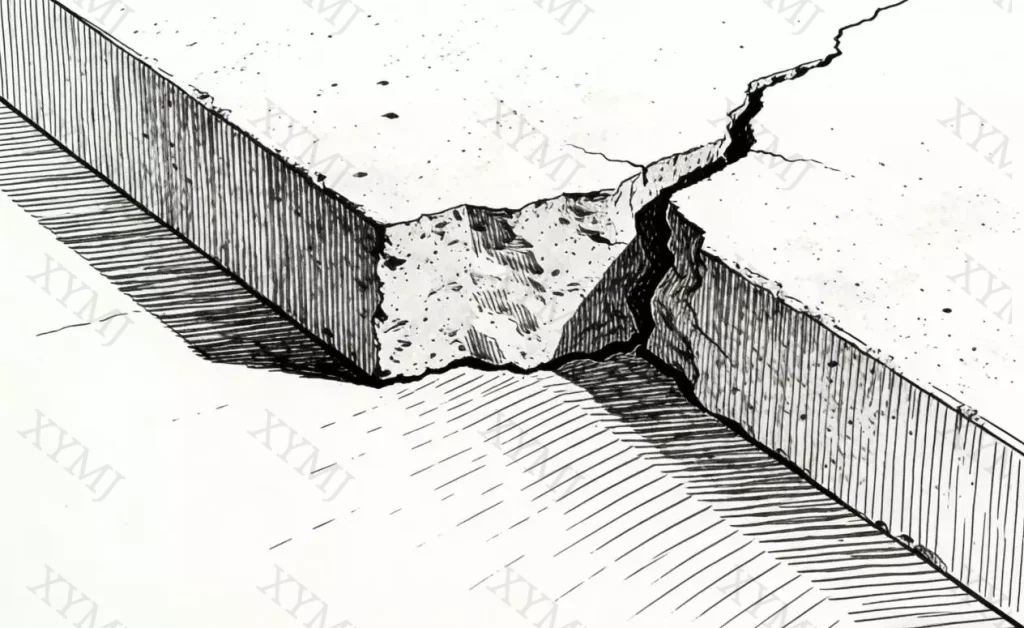
What is “Stress Concentration”?
People familiar with cemented carbide or related mechanical manufacturing have likely heard of or encountered the concept of “stress concentration.”
So, what exactly is stress concentration?
Stress concentration refers to a fundamental concept in material mechanics where discontinuities in an object’s geometry—such as holes, notches, or sudden changes in cross-section—cause stress to accumulate and intensify in localized areas when the object is subjected to external forces.
Thus, the primary culprit behind stress concentration is unreasonable structural design. Examples include holes in blades or molds. When external forces are applied or when temperatures change abruptly, these features can accelerate wear or lead directly to fracture.
In other words, stress concentration reduces the inherent strength of the material, thereby shortening its fatigue life.
Therefore, for tungsten carbide products, in addition to optimizing structural design, improving raw material quality is also a practical approach. Particular attention should be paid to the purity of the raw material and the presence of pores. Meanwhile, refining processing techniques—such as appropriate cutting and grinding parameters—can help minimize the likelihood of stress concentration. Additionally, cryogenic treatment serves as an effective method for mitigating stress concentration issues.