Cermet Inserts vs Carbide: Which Material Is Best for Your Machining?
In modern mechanical processing, the selection of cutting tools is directly related to processing efficiency, cost control and the quality of the final product. For most processing engineers, both Cermet and Carbide inserts are common options, but in practical applications, how to make a choice between the two remains a widespread confusion. Improper selection not only affects processing efficiency but may also lead to frequent tool changes, increased processing costs and even production delays. Therefore, understanding the characteristics, advantages and applicable scenarios of the two types of cutting tools is a problem that every processing personnel must face.
The Influence Of Machining Application Scenarios On Material Selection
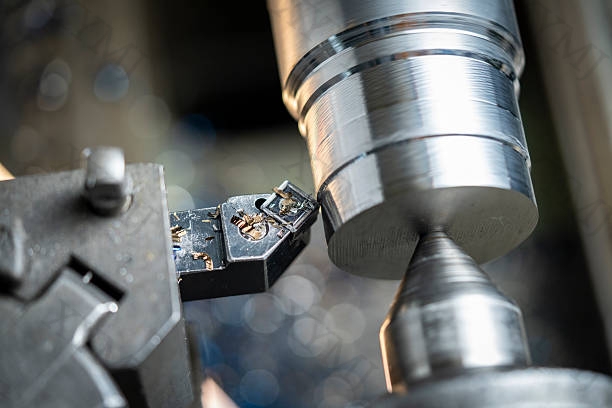
The performance of cutting tools not only depends on the material itself, but is also closely related to the processing conditions. High-speed machining, fine machining, rough machining, and the material of the machining object (such as steel, stainless steel, cast iron or alloys) all have a direct impact on the performance of cutting tools. A common pain point for users is that choosing the wrong cutting tool can lead to a decline in the quality of the machined surface, accelerated tool wear, and even tool breakage, thereby increasing downtime and production costs.
For instance, in high-speed precision machining, if tools with excessive toughness but insufficient wear resistance are used, although the tools are less likely to break, the surface finish may not meet the requirements. However, when performing rough machining or dealing with materials with significant hardness variations, choosing tools with high wear resistance but low toughness may lead to tool breakage or chipping. Therefore, clarifying the type of processing and the material of the workpiece is the primary step in choosing a cutting tool and also the key to avoiding production problems.

The Advantages And Limitations Of Cermet Inserts
Cermet blades stand out in both finishing and high-speed machining due to their excellent wear resistance and thermal stability. It can provide a high surface finish while maintaining dimensional accuracy, eliminating the need for extensive secondary processing of the workpiece in subsequent processing. Cermet has good chemical stability and can maintain its cutting performance even under high-temperature conditions.
However, the toughness of Cermet is relatively low and it is more sensitive to impact. In rough machining or when the hardness of the material varies greatly, the use of Cermet is prone to the risk of tool breakage or premature wear. To fully leverage its advantages, it is recommended to strictly control the cutting depth and feed rate during processing, and avoid excessive vibration or unstable cutting environments.
Scenarios suitable for using Cermet include:
- Finish machining workpieces that require high surface finish
- Processing tasks with relatively small cutting depths and stable environments
- High-speed processing is carried out to enhance production efficiency and reduce the frequency of tool changes
By reasonably controlling processing parameters, users can enhance efficiency while extending tool life and reducing maintenance costs.
The Advantages And Limitations Of Carbide Inserts
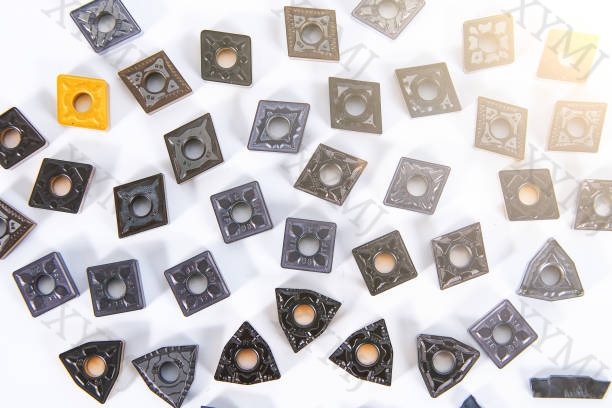
In contrast, Carbide blades have better toughness, stronger impact resistance and a wider range of applications. It performs stably in rough machining, processing of deformed materials and scenarios with large cutting volumes, can reduce the risk of tool breakage and ensure the continuity of production. The anti-vibration performance of Carbide inserts enables them to maintain a good cutting state even when facing unstable processing or changes in material hardness.
However, the wear resistance of Carbide is slightly lower than that of Cermet, and prolonged high-temperature processing may lead to accelerated tool wear. In addition, the surface finish is slightly inferior, and additional treatment may be required during the finishing stage to meet high demands.
Scenarios suitable for the use of Carbide include:
- Large cutting volume and rough machining tasks
- Processing of workpiece materials with uneven hardness or inclusions
- An environment with high requirements for production continuity
The rational use of Carbide can reduce the risk of downtime and rework caused by tool damage and improve the overall processing efficiency.
Cost and return on investment analysis
The selection of cutting tools not only affects performance but also directly influences production costs. The initial cost of Cermet is usually high, but in finishing and high-speed machining, its wear resistance and thermal stability can extend tool life, thereby reducing the frequency of tool changes and downtime. In contrast, the initial cost of Carbide blades is relatively low, but due to their relatively fast wear rate, the frequency of tool replacement and maintenance may increase, thereby raising long-term costs.
Users’ problems often focus on the balance between tool costs and production efficiency. Whether it is worth investing in more expensive cutting tools should be comprehensively evaluated in combination with the processing batch, production rhythm and quality requirements of the workpiece. By analyzing the total cost and production efficiency, choosing the most cost-effective tool combination is the long-term strategy.

How To Choose The Most Suitable Cutting Tool?
When choosing cutting tools, the following principles can be followed based on the comprehensive processing type, workpiece material and production conditions:
- When fine processing is required and high surface quality is needed, Cermet should be given priority.
- Carbide is chosen for rough machining or scenarios where the hardness of the workpiece varies and the cutting volume is large.
- For mixed processing tasks, a combined strategy of Cermet and Carbide can be adopted, and their use can be switched at different processing stages.
- Conduct an economic assessment based on the production rhythm and downtime costs, and select the most suitable tool investment plan.
Furthermore, practical experience shows that continuously tracking tool wear and processing quality, and timely adjusting tool parameters are also important methods to ensure processing stability. Through actual testing and experience accumulation, users can find the optimal combination in different processing tasks, achieving a balance between efficiency, quality and cost.
Conclusion
Cermet and Carbide each have their own advantages and limitations. No single tool can be perfectly applicable in all scenarios. The key lies in making reasonable choices based on processing requirements, workpiece materials and production conditions. By analyzing performance characteristics, cost factors and processing environments, users can find the most suitable tool combination for their production, achieving the best balance between efficiency, quality and cost.
Wise tool selection not only enhances production efficiency but also reduces maintenance costs, bringing continuous and stable processing advantages to enterprises. Understanding the characteristics of different cutting tools and making decisions based on the actual production environment is the key to enhancing processing competitiveness.Should you wish to learn more about tungsten carbide tools, please feel free to contact Carbure Tungsten.
Related Products