
Machining Tungsten Carbide: What You Need to Know
In modern manufacturing, machining tungsten carbide is a challenging yet highly important process. Tungsten carbide, also known as cemented carbide, is widely used in mining tools, oil drilling equipment, aerospace components, and various industrial cutting tools due to its extremely high hardness, excellent wear resistance, and outstanding high-temperature performance.
However, these exceptional material properties also make tungsten carbide much more difficult to machine than ordinary metals. Traditional cutting methods often struggle to process this material effectively, which means specialized machining technologies and tools are required.
Today, we will provide a comprehensive introduction to machining tungsten carbide, helping you better understand the processes and techniques involved in carbide machining.
Why is Machining Tungsten Carbide So Difficult?
Manufacturers are sometimes faced with many technical problems when machining cemented tungsten carbide. The very same physical and mechanical properties that render cemented tungsten carbide useful in industry make it very difficult to machine.
Extremely High Material Hardness
Evidently, one of the hardest materials to machine is cemented tungsten carbide. It is far harder than most metals that manufacturers usually work on and falls in the same category with certain cutting-tool materials. Traditional tools wear out quickly during machining due to its extreme hardness.
Standard high-speed steel (HSS) tools usually end up to be inadequate because they cannot keep a sharp edge under these demanding circumstances. Therefore, it helps to use appropriate tools such as diamond or cubic boron nitride (CBN) tools to increase overall tool life and machining performance.
Excellent Wear Resistance
The tungsten carbide material is known for its exotic wear resistance, and finds use in cutting tools, mining equipment, and drilling components. Nevertheless, machining is performed hardly because of its main feature. Wear resistance in tungsten carbide can cause rapid tool wear as soon as the cutting edge comes in contact with a workpiece. This shortens the life of the tool while reducing machining efficiency and impairing the quality of the surface. And, for this reason, proper selection of tool materials and optimization of cutting parameters become very crucial.
Material Brittleness
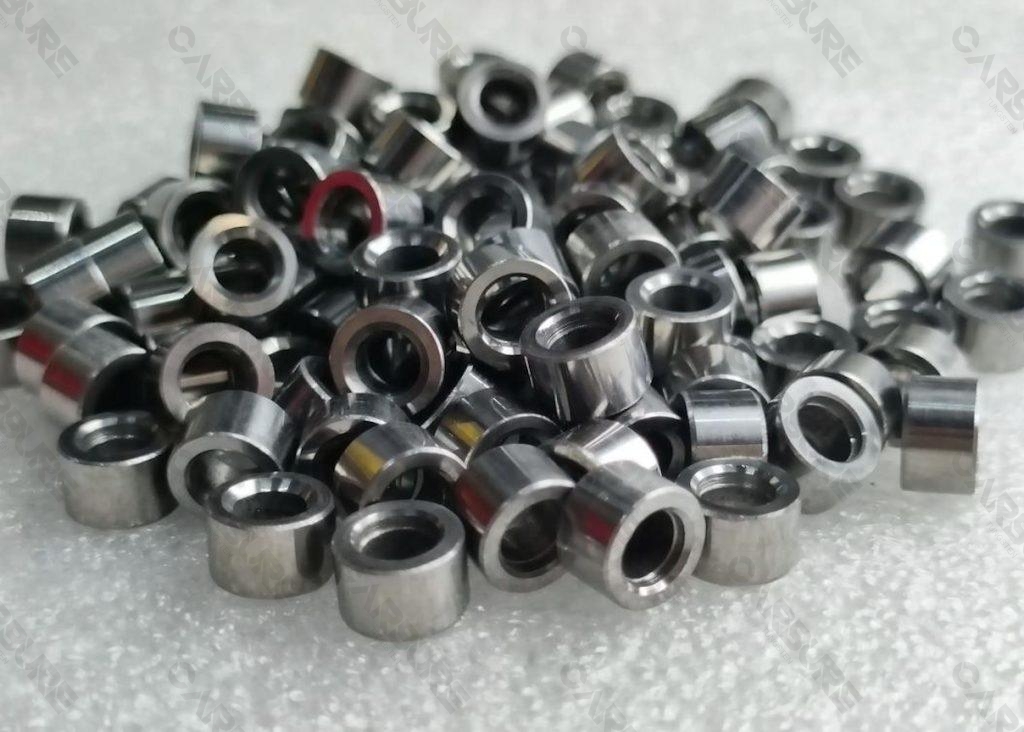
It is true that tungsten carbide is extremely hard; however, it is also brittle. These materials can chip and crack upon application of high pressure during machining.
Undesired effects of edge chipping, microcracking, or part failure will occur if the parameters of feed, cutting speed, or depth of cut are not properly controlled. Hence, milling techniques and stable processing equipment (machines and tools) need to be considered.
High Heat Generation During Machining
Cutting or grinding does generate some enormous heat on another hand. Stuff like good hardness and the rubbing action between the tool and workpiece both contribute to the instant arrest and generation of heat.
Cumulative effects due to heat generated may make the tool to wear out lead to a decrease in the efficiency of the machine, or even ruin the workpiece material itself provided there is no cooling or lubrication. For these reasons there have to be absolutely maintained in situ cooling systems for the process.
The Need for Specialized Machining Techniques
Because of these factors, extreme hardness, high wear resistance, brittleness, and heat generation, machining tungsten carbide requires specialized equipment, advanced tooling, and carefully optimized machining processes to achieve high precision and stable results.
Common Methods for Machining Tungsten Carbide
To effectively perform machining tungsten carbide, the manufacturing industry typically uses several advanced machining methods. Due to the high hardness and excellent wear resistance of tungsten carbide, traditional cutting processes often struggle to achieve satisfactory results. Therefore, specialized machining technologies are required to improve precision and efficiency.
Grinding
Grinding is one of the very regular and widespread methods of cutting of tungsten carbide, using a diamond grinding wheel to carry with ultra-high accuracy. This enables manufacturers to meet very high levels of precision on pure geometric measurements as well as excellent surfaces. Owing to its hardness and wear resistance, diamond is key in the grinding of an ultra-hard material like tungsten carbide.
In typical working conditions, the grinding process may be applied to materials in three very different modes of grinding: surface grinding, cylindrical grinding, and internal grinding. It is suited also for such high-precision components as cutting tools, mold parts, and precision mechanical components. With careful control of grinding parameters and the use of viable cooling systems, chiseled quality of grinding made the final product quality level and expand the life of the grinding wheel.
Electrical Discharge Machining (EDM)
Electrical Discharge Machining (EDM) is a non-contact machining process used to eliminate material through electrical arcing that is initiated between an electrode and the workpiece. This being so, it is particularly well-suited for the handling of extremely hard materials like tungsten carbide.”
It is a handy technique used for the machining of intricate shapes, relatively complex structures, and high-precision carbide parts like molds, microholes, and ornaments. EDM is most useful when the conventional cutting tools cannot reach or shape the sought geometry.
Laser Machining
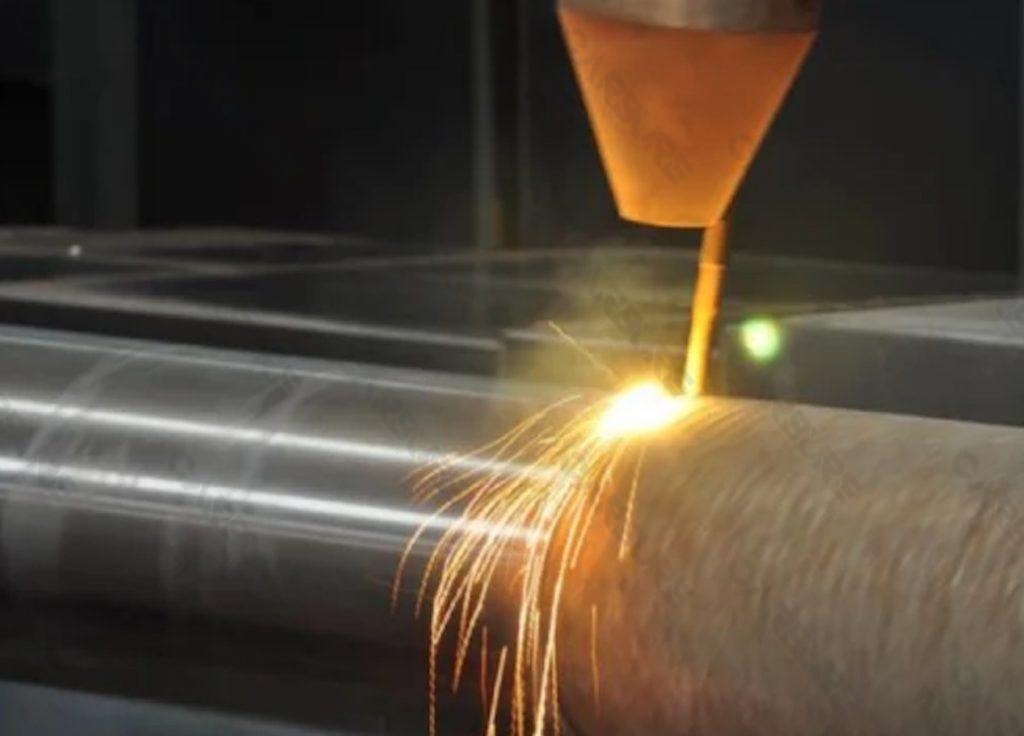
High energy laser beams are to locally heat the material to the point where it melts or vaporizes in a very short time. The method enables precise material removal with relatively narrower heat-affected zones.
Laser machining is commonly used for micro-machining tungsten carbide for the purpose of producing micro-holes, fine grooves, and complex small-scaled structures. It is especially good when designing small or detailed carbide components.
Ultrasonic Machining
An ultrasonic machining process works by combining a high-frequency vibration with abrasive particles in order to take away the material. In this machining process, the slurry hits the workpiece’s surface, removing material after the tool vibrates at ultrasonic frequencies.
The process proves to be effective when applied with hard and fragile materials, e.g., since the cutting forces are so negligible, this machining method minimizes the risk of chipping or cracking and can do well in terms of quality of machining.
Importance of Advanced Machining Technologies
The rapid development of manufacturing technology has enabled advanced methodologies and to successfully machine tungsten carbide in a practical and efficient way in the modern industry. With the correct selection of machining methodology and advanced tools, the objective of manufacturers is to achieve precision with a vast boost to efficiency of the output and overall efficiency in relation to the difficulty in machining.
Major Industries for Tungsten Carbide Machining
Machined tungsten carbide components play a crucial role in many industrial sectors, as their extremely hard and wear-resistant qualities at high temperatures recommend them for diverse applications. Particularly with today’s advanced manufacturing technologies, tungsten carbide parts evolve as an essential part in many high-end tools and critical equipment components. Below are some common tungsten carbide applications:
Mining Industry
Widely used in the mining industry, tungsten carbide is a durable material utilized in making a wide range of high-wear tools, from drill bits to picks to wear-resistant parts used in crushing applications. These tools are subject to hard-rock contact and high-impact forces during ore extraction and deployment; therefore, material balance for wear resistance and strength becomes a necessity.
Tungsten carbide tools offer not just great toughness, but also improved longevity, thereby increasing mining productivity through reduced equipment downtimes and maintenance costs.
Oil and Gas Industry
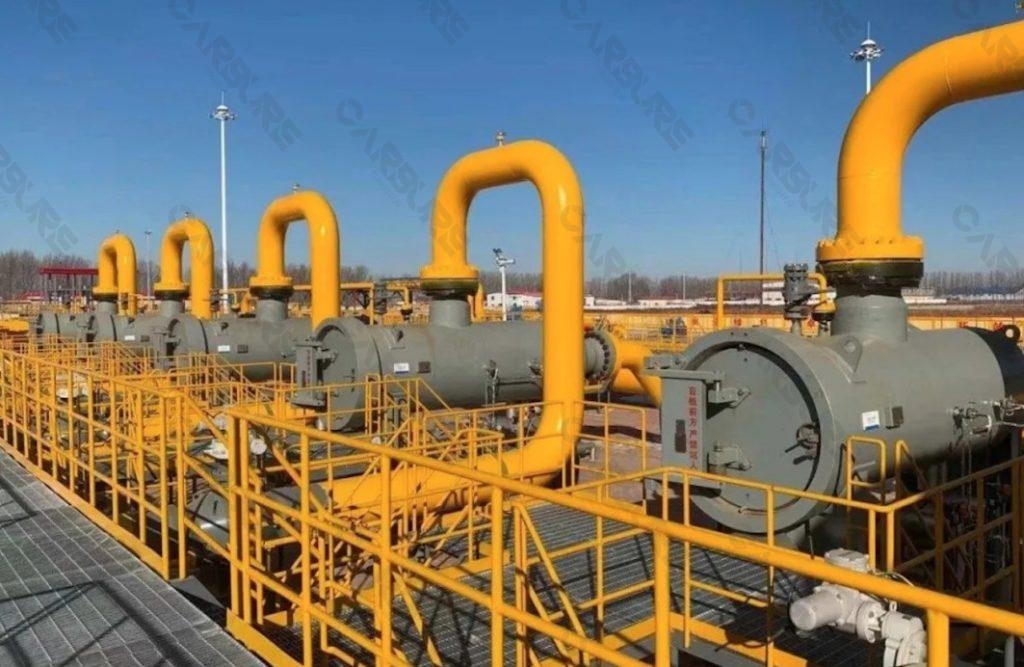
It is vital to have tungsten carbide parts in the oil and gas industry. Most of the parts used in drilling equipment should function under harsh conditions where high temperature, high pressure, and a high abrasive ability are what they are expected to inhabit.
Drill bits, valve parts, and wear-resistant bushings manufactured using machined tungsten carbide can greatly increase the life and safety of the drilling equipment, thereby guaranteeing efficiency in the drilling process.
Aerospace Industry
Good material performance and machining precision are required in the aerospace industry. Among the ceramics, tungsten carbide enjoys great strength and wear resistance that is mainly used in the production of high-precision structural parts and wear-resistant parts-survival of these parts with stable performance in the harsh environment of respective operations is the technical demand that Tungsten meets.
Automotive Industry
In automotive manufacturing, tungsten carbide is significant in the making of high-performance molds and cutting tools. These tools and molds are required to exhibit the extremely aggressive wear resistance necessary for the production of engine parts, vehicle structures, and precision components. Tungsten carbide remains a stable performer under long cycles of production, increasing the process efficiency, and attesting the quality of the product.
Mechanical Processing Industry
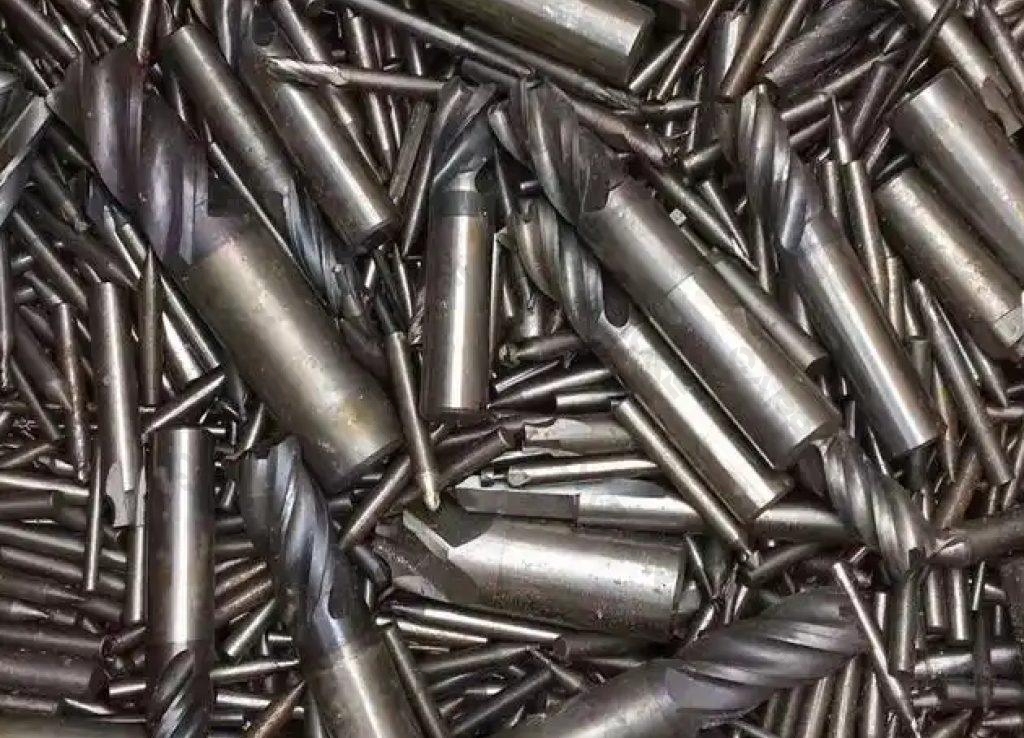
As above, in the area of mechanical processing, for instance, many categories of top-tier cutting tools are crafted with tungsten carbide, including carbide end mills, drills, and turning tools. They can easily maintain optimal cutting performance within high-speed machining and under heavy loads, making them essential in modern precision manufacturing.
This is where the applications by the machining of tungsten carbide are increasing due to ongoing industrial developments towards a wide variety of industry applications. It thus takes an invaluable place within high-end manufacturing and heavy industries.
How to Choose a Reliable Tungsten Carbide Machining Supplier
For companies that require customized tungsten carbide components, selecting an experienced and reliable machining supplier is essential. Tungsten carbide machining demands high standards in equipment, processes, and technical expertise, so the supplier’s overall capability directly affects both the quality of the parts and delivery efficiency.
Advanced Machining Equipment
First, an evaluation has to be made as to whether the supplier has modern machining equipment including high-precision grinding machines, Electrical Discharge Machining equipment, laser machining systems, and ultrasonic machining, all of which are mandatory for the high-quality processing of tungsten carbides. The use of advanced machinery not only enhances machining precision but also enhances production efficiency and process stability.
Extensive Machining Experience
The supplier’s experience in machining tungsten carbide is also critical. Skilled engineers can develop optimal machining plans and adjust cutting parameters based on the shape, hardness, and precision requirements of each part. This expertise helps maintain consistent product quality and ensures timely delivery.
Comprehensive Quality Inspection System
A reliable supplier typically has a complete quality inspection system, including dimensional checks, material testing, and performance verification. Rigorous quality control ensures that every batch of components meets design specifications, minimizing rework and production risks.
Customized Services and Technical Support
Lastly, manufacturers with specialized machining and technical consultation customizing these top manufacturers, therefore their ability to supply each unique customer demand within every industry. Professional machining plans, technical processes, and also manufacturing specifications may be extended onward towards enhancing the performance and longevity.
The advantages in making the selection of a tungsten carbide machining supplier will help composite manufacturing firms confirm the part-quality, improve production efficiency, and lessen the machining risk.
Carbure Tungsten: Your Reliable Choice for Tungsten Carbide Parts
As a professional supplier of tungsten carbide components, Carbure Tungsten is dedicated to providing high-quality, high-performance tungsten carbide solutions to customers worldwide. With advanced machining equipment, a strict quality control system, and extensive industry experience, Carbure Tungsten can meet the precision and durability requirements of tungsten carbide parts for industries such as mining, oil and gas, automotive, and high-end machinery manufacturing.
Carbure Tungsten supports the production of a wide range of tungsten carbide components and offers personalized customization services. Based on customer design drawings and specific requirements, they provide tailored tungsten carbide solutions to best fit each application.
Choosing Carbure Tungsten means choosing reliable quality assurance, stable supply capacity, and professional technical support, providing a solid material foundation for your projects.
Related Products


