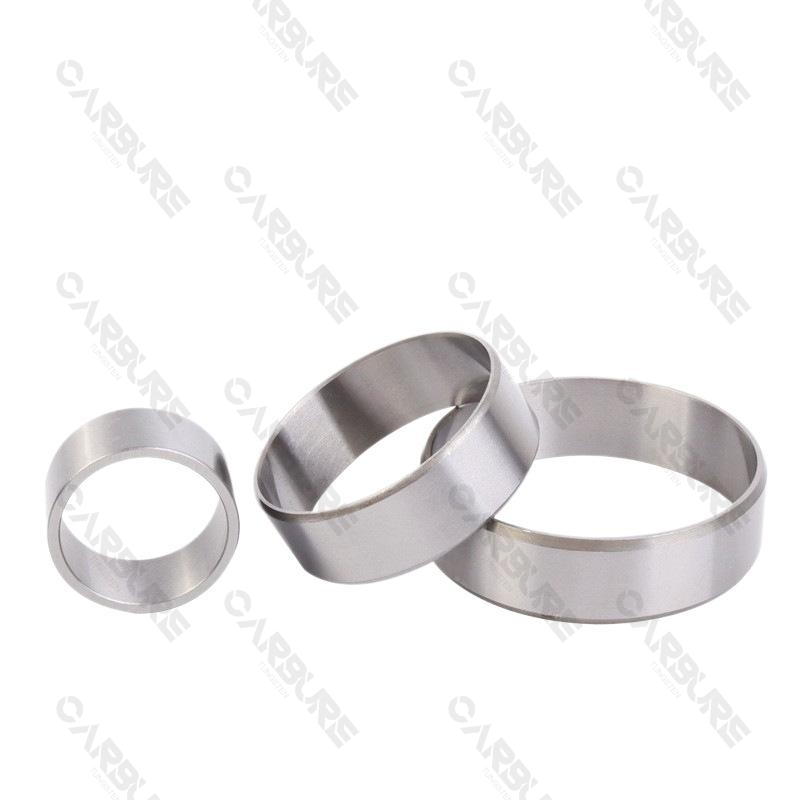
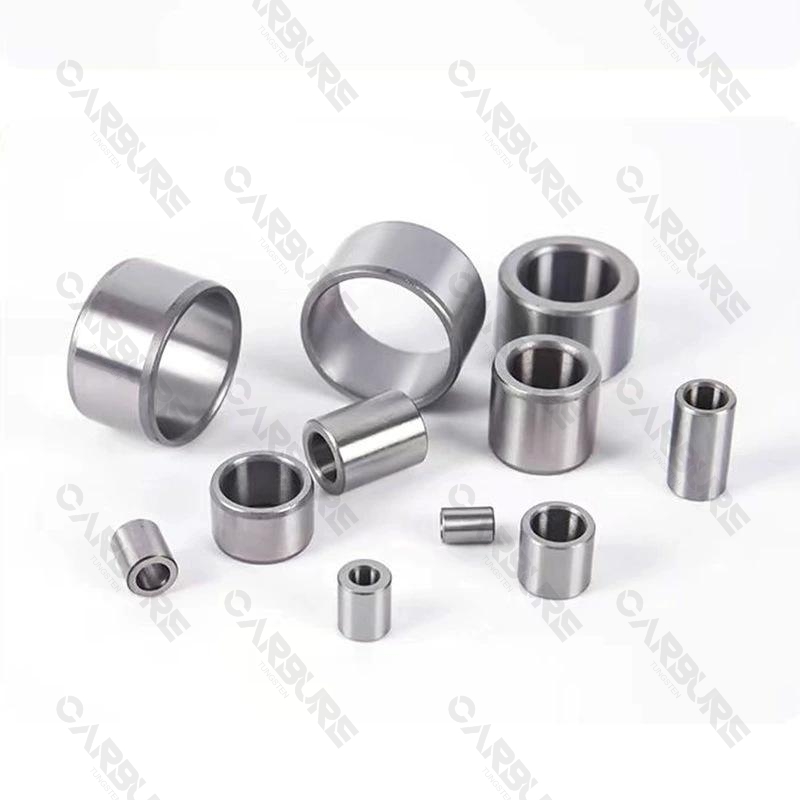
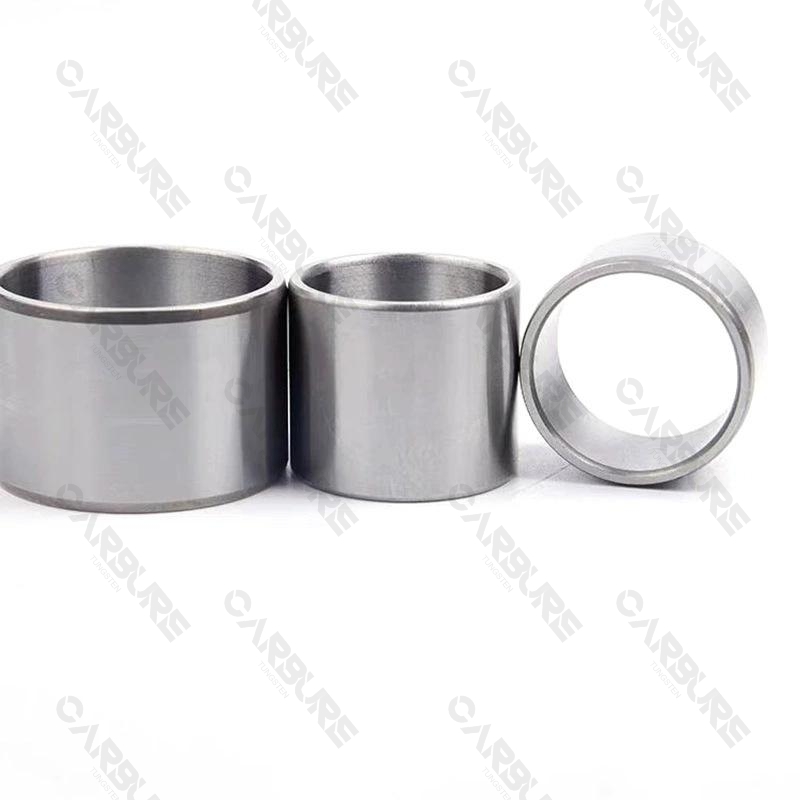
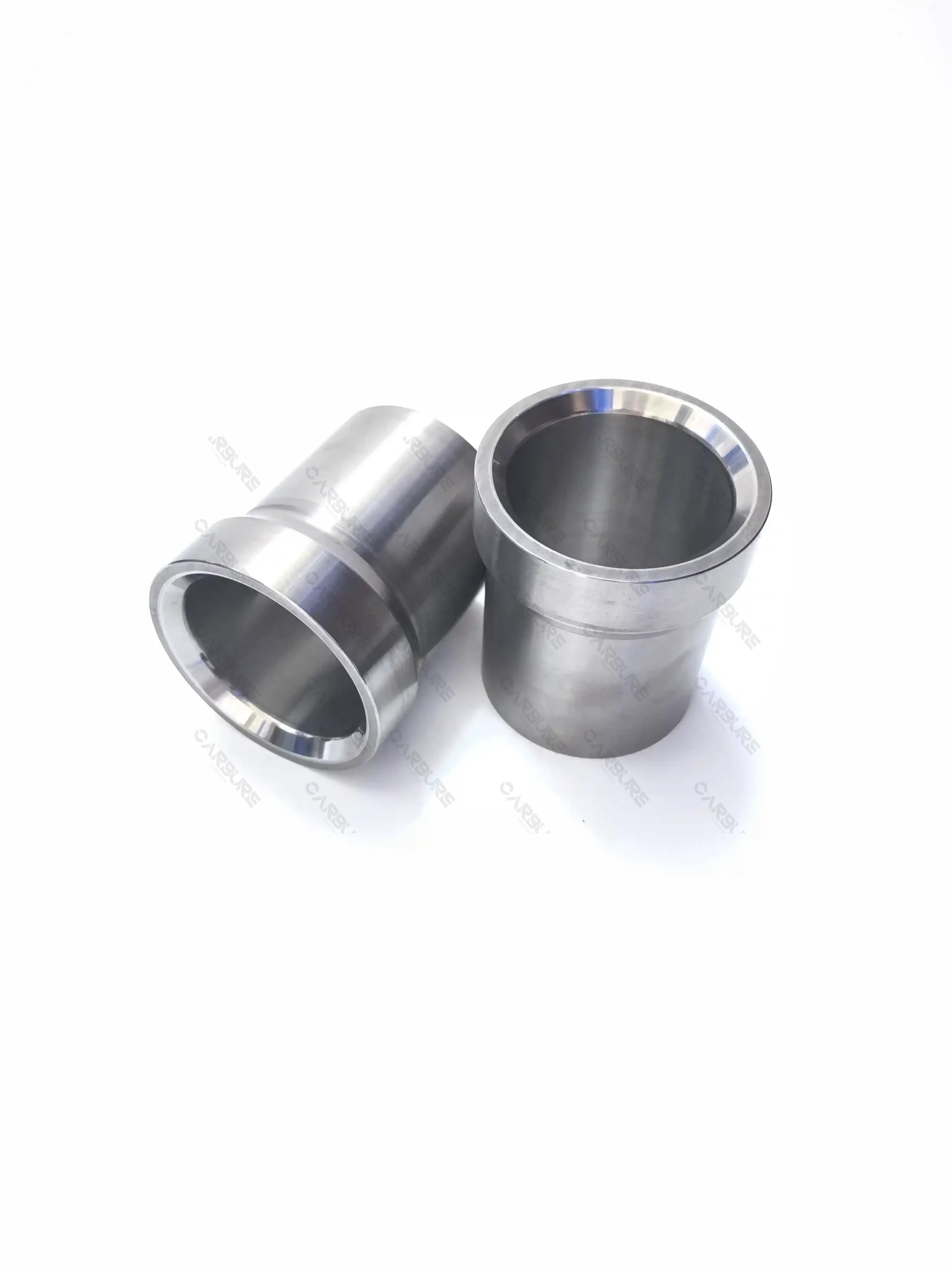
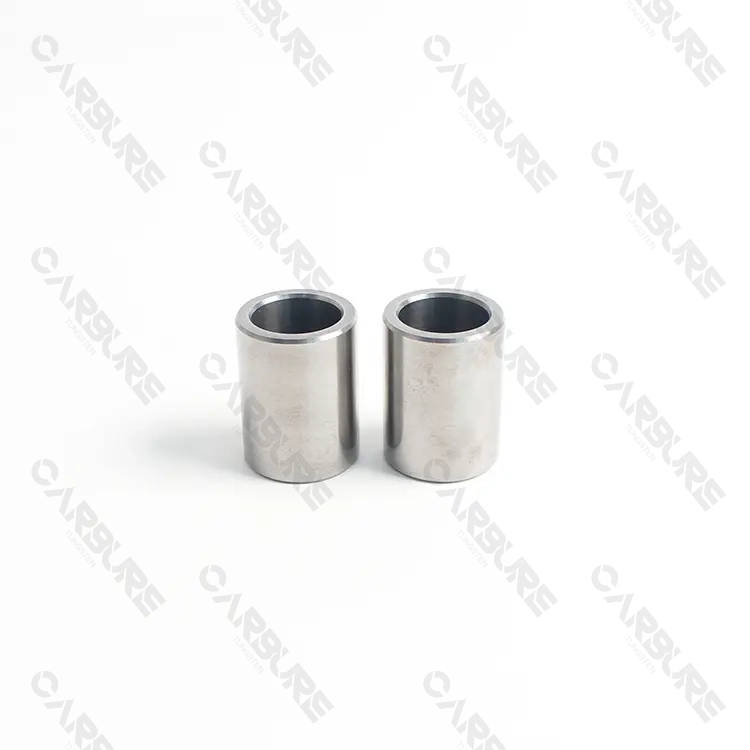
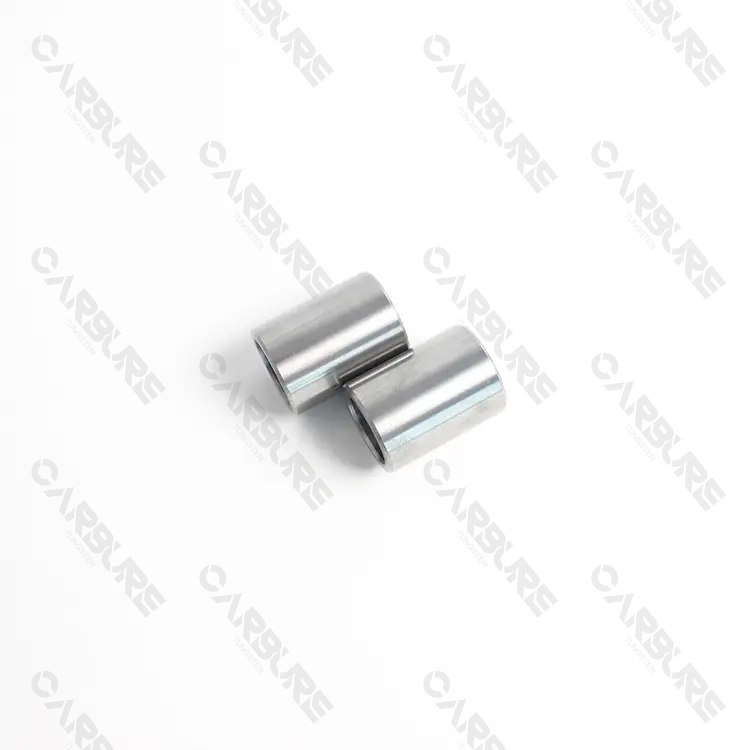
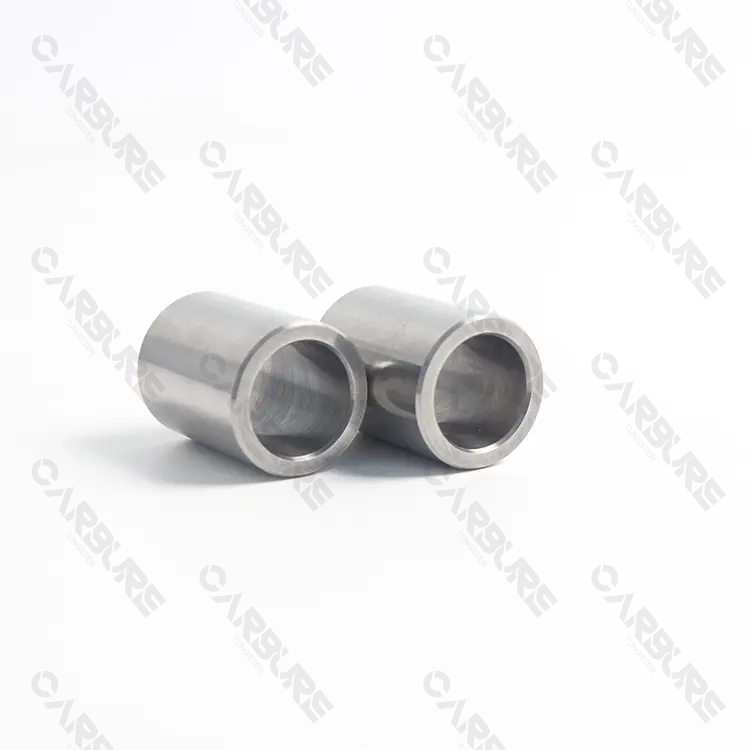
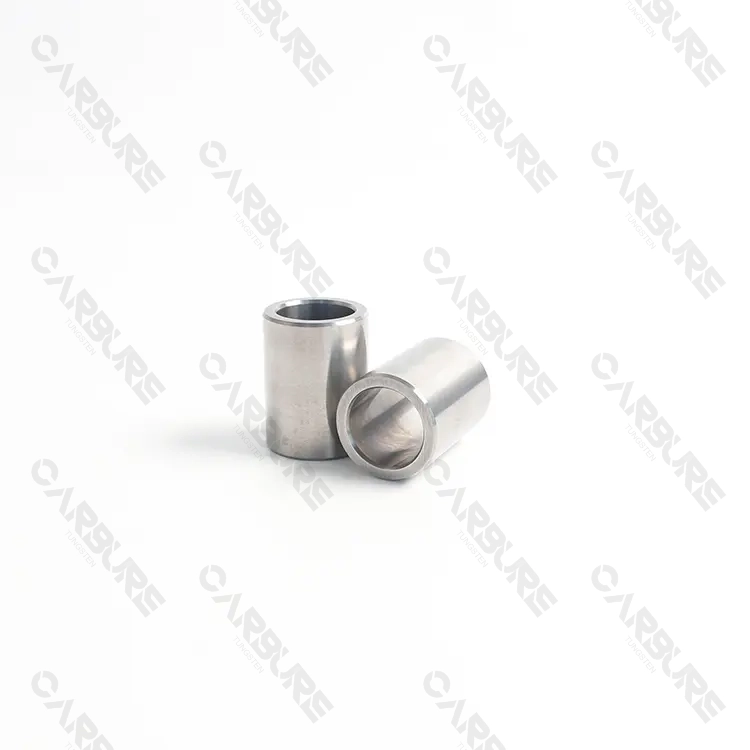
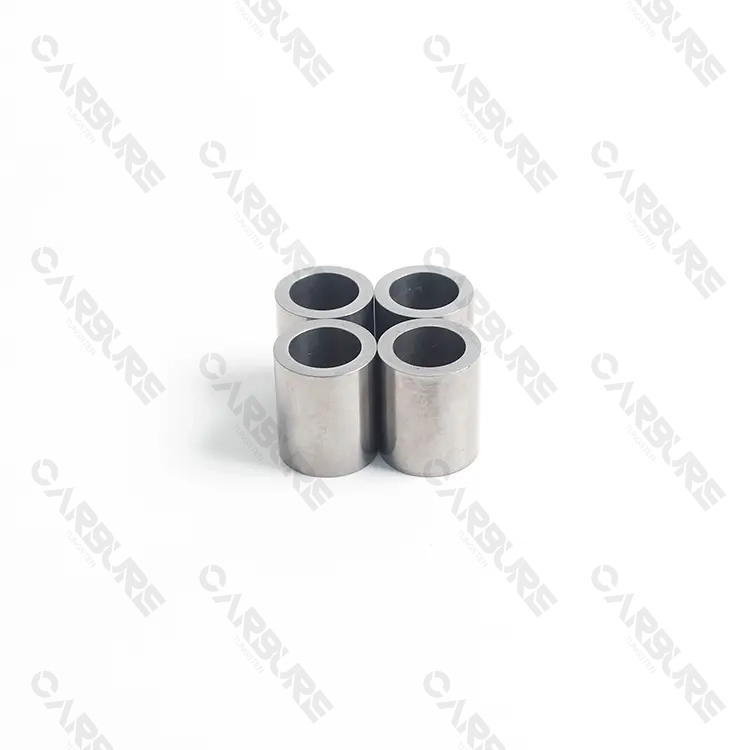
Tungsten Carbide Pump Liners

  • Place of Origin: China
  • Customized Support: OEM, ODM
  • Model Number: Customization
  • Service: Customized OEM
  • Grade: YG6/YG8/YG10X/YG20C
  • Certificate: ISO 9001:2015
  • Hardness approaching that of diamond
  • Resistant to cavitation damage
  • High chemical stability
  • Stable high-temperature performance
  • High surface finish

Product Description

Tungsten carbide pump liners overcome the shortcomings of traditional pump materials, such as a short service life and low reliability in harsh operating conditions, by offering comprehensive advantages in terms of hardness, wear resistance, corrosion resistance and strength. They have become a critical component for enhancing the performance and durability of pump equipment. To fully realise their performance potential, the material formulation and structural design of these bushings must be optimised based on actual operating conditions (including medium, temperature, pressure and particle characteristics).

Key Features and Benefits

  • Exceptionally High Hardness and Wear Resistance: Hardness approaching that of a diamond: Tungsten carbide has a hardness exceeding HRA 90 and far surpasses the wear resistance of stainless steel, ordinary alloy steel and many ceramic materials.
  • Exceptional Corrosion Resistance: In extreme environments where corrosive substances and particles coexist, such as in chemical process and flue gas desulfurisation pumps, it significantly outperforms conventional metallic materials.
  • High Compressive Strength: It withstands high mechanical stresses and impact loads during pump operation while maintaining dimensional stability.
  • High Surface Finish: Can achieve mirror-like precision through grinding, reducing friction resistance with moving components such as shafts and pistons.
  • Long Lifetime: Service life is extended by several to dozens of times. Compared to traditional metal bushings, this significantly reduces the time spent replacing them and increases the amount of time that equipment can be operated continuously.

Specification of Tungsten Carbide Pump Liners

Common Specs & ModelClassified by ID/OD/Length:
• Inner Diameter (ID): Φ10mm–Φ200mm(Common: Φ20, Φ30, Φ40, Φ50, Φ80, Φ100)
• Outer Diameter (OD): Φ18mm–Φ220mm(6–20mm larger than ID, based on pump type)
• Length (L): L20mm–L300mm(Common: L30, L50, L80, L100, L150)
• Standard Code: WC-Bushing-Φd×D×L (e.g., WC-Bushing-Φ30×45×80)
Material Grade• YG6 (6% Co, General wear resistance)
• YG8 (8% Co, High wear resistance + certain toughness)
• YG10X (10% Co, High toughness, impact resistance)
• YG15 (15% Co, High toughness, heavy impact working condition)
• YG20 (20% Co, Ultra-high toughness, severe impact)
Hardness• HRA 86–92 (Corresponding HRC 65–78)
• YG6: HRA 89–91
• YG8: HRA 88–90
• YG10X: HRA 87–89
• YG15: HRA 86–88
• YG20: HRA 85–87
Density• 14.2–15.0 g/cm³
• YG6: 14.7–15.0 g/cm³
• YG8: 14.6–14.9 g/cm³
• YG10X: 14.4–14.7 g/cm³
• YG15: 14.2–14.5 g/cm³
• YG20: 14.0–14.3 g/cm³
Cobalt Content• 6%–20% Co (mass fraction)
• YG6: 6% Co
• YG8: 8% Co
• YG10X: 10% Co
• YG15: 15% Co
• YG20: 20% Co
Wear Resistance• Ultra-high, 10–30 times that of ordinary alloy steel, 2–5 times that of ceramics
• Applicable for: Sand-containing slurry, mineral slurry, sewage, chemical slurry, particle-containing medium
• Wear forms: Abrasive wear, erosion wear; 5–10 times longer service life than metal bushings
Tolerance• ID Tolerance: H6/H7 (Common H7, +0.010~+0.030mm)
• OD Tolerance: h6/h7 (Common h7, -0.010~-0.030mm)
• Length Tolerance: ±0.1mm (L≤100mm); ±0.2mm (L>100mm)
• Coaxiality/Circularity: ≤0.005mm
• End Perpendicularity: ≤0.01mm
Surface Treatment• Mirror Polishing: Ra 0.05–0.2μm (Sealing/shaft matching surface)
• Precision Grinding: Ra 0.2–0.8μm (Conventional working surface)
• Rough Grinding: Ra 0.8–1.6μm (Installation matching surface)
• Optional: Nickel/Chrome Plating (Corrosion resistance, Ra 0.1–0.4μm)
Dimensional Accuracy• ID/OD Dimensional Accuracy: ±0.005–±0.01mm
• Wall Thickness Uniformity: ≤0.01mm
• End Parallelism: ≤0.01mm
• Cylindricity: ≤0.005mm
Applicable Working Conditions•Temperature: -50℃–+450℃ (Conventional); Up to +600℃ for special grade
• Medium: Clean water, sewage, slurry, mineral slurry, acid-alkali solution (pH 2–12), solid-containing particles (≤5mm)
•Pressure: ≤16MPa (Conventional); ≤32MPa for high-pressure type
Selection Suggestion• Low wear + high hardness priority: YG6 (6% Co)
• High wear resistance + medium toughness (Most universal for pumps): YG8 (8% Co)
• Heavy impact + large particles: YG10X/YG15 (10%/15% Co)
• Severe impact + strong corrosion: YG20 (20% Co)

Typical Applications

  • Mining & Metallurgy: Slurry pumps for ore pulp, tailings slurry, grinding slag slurry (resist high abrasive wear & impact)
  • Petrochemical Industry: Chemical/process pumps for acid-alkali slurry, solid-containing chemical medium, crude oil associated slurry (corrosion & wear resistance)
  • Municipal Environmental Protection: Sewage pumps for domestic sewage, industrial wastewater, sludge slurry (resist impurity erosion & medium corrosion)
  • Water Conservancy & Dredging: Dredging/mud pumps for river silt, port sediment, engineering slurry (resist large particle wear & high pressure)
  • Power & Energy: Desulfurization/ash pumps for power plant desulfurization slurry, fly ash slurry, bottom slag slurry (acid-alkali & high wear resistance)
  • Building Materials & Ceramics: Slurry pumps for ceramic glaze slurry, cement raw/clinker slurry, glass raw material slurry (resist fine particle erosion)
  • Papermaking & Printing: Pulp pumps for paper pulp, waste paper pulp, coating slurry (resist fiber & filler wear, suitable for low-pollution working conditions)
  • Food & Pharmaceutical: Sanitary slurry pumps for sauce, thick pulp, medicine slurry (food-grade tungsten carbide, wear resistance & easy to clean)
  • Seawater Desalination: Seawater pumps for seawater, desalinated brine (resist seawater corrosion & sea sand abrasion)
  • Shield Engineering: Shield machine mud pumps for shield mud, bentonite slurry (resist high pressure, strong impact & abrasive wear)

Why choose our Tungsten Carbide Pumps Liners?

Premium Material & Advanced Manufacturing

We use high-purity tungsten carbide (WC) and cobalt (Co) powder to ensure stable performance and eliminate internal defects from the very beginning. With advanced pressing and vacuum sintering technology, every component achieves uniform density and strong structural integrity.

Strict dimensional tolerance control during forming ensures precise fitting and long-term operational stability, providing a solid foundation for high-performance wear parts.

Superior Wear Resistance & Extended Service Life

Compared with alloy steel, our tungsten carbide components deliver 10–30 times longer service life, and 5–10 times longer than ordinary metal bushings. Outstanding wear resistance significantly reduces downtime and maintenance costs.

With excellent resistance to abrasion, erosion, acid, and alkali environments, our products are engineered to perform reliably even in harsh slurry or corrosive working conditions.

Multiple Grades for Different Working Conditions

We offer a wide range of grades including YG6, YG8, YG10X, YG15, and YG20 to meet diverse industrial requirements. Whether your application involves severe abrasive wear, high impact loads, or corrosive media, we can recommend the most suitable material solution.

Customized grade selection ensures optimal balance between hardness and toughness, maximizing service life under specific working conditions.

High Precision Machining & Reliable Supply Support

We provide high-precision machining with mirror-polished finish (Ra 0.05–0.2μm) for excellent coaxiality and smooth operation. Each product undergoes 100% inspection for hardness, density, and dimensions.

We offer OEM/ODM customization based on your drawings. With 30+ years of experience, a stable supply chain, and responsive service, we provide a reliable one-stop solution for pump wearing parts.

FAQs

A1: It’s a sleeve or liner installed inside a pump to protect the casing from wear at critical points (e.g., around the shaft). It’s made from tungsten carbide (WC), a composite material where ultra-hard tungsten carbide grains are bonded together with a metallic binder (like cobalt or nickel). Its speciality lies in its exceptional combination of hardness, wear resistance, strength, and moderate corrosion resistance, outperforming conventional materials like stainless steel or bronze by a wide margin in demanding applications.

A2: · vs. Stainless Steel/Bronze: Drastically superior wear resistance (often 10-100x longer life) against abrasive particles. Better resistance to galling (seizure) and higher compressive strength.

· vs. Standard Ceramics (e.g., Alumina): Much higher fracture toughness and impact resistance. Less prone to chipping or catastrophic brittle failure from shock loads or installation stresses.

· vs. Plastics/Polymers: Far superior wear resistance, load capacity, and temperature tolerance. Does not swell, creep, or degrade in harsh chemical or thermal environments.

A3: They are critical in severe service pumps handling:

  • Abrasive Slurries: Mining & mineral processing (ore tailings, coal slurry), sand dredging, ash handling.
  • Corrosive & Abrasive Mixes: Chemical process pumps with crystallizing salts, phosphoric acid production, flue gas desulfurization (FGD) scrubber pumps.
  • High-Pressure Water/Slurry: Descaling pumps in steel mills, waterjet intensifiers, oil & gas drilling mud pumps.
  • High-Speed Applications: Where minimizing shaft deflection and wear is critical.

A4:  No. Key variations include:

  • Grade/Composition: The ratio of WC to binder (e.g., 6% Co vs. 12% Co). Higher binder content increases toughness but slightly reduces hardness.
  • Binder Type: Cobalt (Co) is standard. Nickel (Ni) or Ni-Cr binders are used for better corrosion resistance in acidic environments.
  • Grain Size: Fine grains offer higher hardness and wear resistance. Coarser grains improve fracture toughness.
  • Manufacturing: Quality of sintering and finishing (grinding, lapping) significantly affects performance and precision.

A5: Hardness (typically measured on the Rockwell A scale – HRA) is a primary indicator of wear resistance. A higher HRA number (e.g., 90 HRA) generally means better resistance to abrasion. However, an optimal balance with toughness is crucial to prevent chipping. Your supplier will recommend the best grade for your specific wear mode (pure abrasion vs. impact-abrasion).

A6: Not entirely proof, but highly resistant. Their corrosion resistance depends mainly on the binder phase. Cobalt-bonded grades can be vulnerable in strong acids. For highly corrosive environments, nickel-bonded tungsten carbide grades are strongly recommended. Always consult with the manufacturer regarding your specific fluid chemistry.

  • Press-Fit Interference: Requires precise calculation. Excessive force can crack the bushing.
  • Avoid Direct Impact: Never hammer directly. Use soft-faced tools and press fit evenly.
  • Cleanliness: Ensure the housing and bushing are spotlessly clean.
  • Thermal Installation: Sometimes, heating the housing (controlled expansion) is used for installation, but cooling the bushing (with dry ice) is not recommended due to cracking risk.
  • Shaft Compatibility: The shaft (or sleeve) material must be appropriately hardened (e.g., hardened stainless steel) to avoid being worn by the harder bushing.

Get Your Customized Solution

Click or drag files to this area to upload. You can upload up to 5 files.